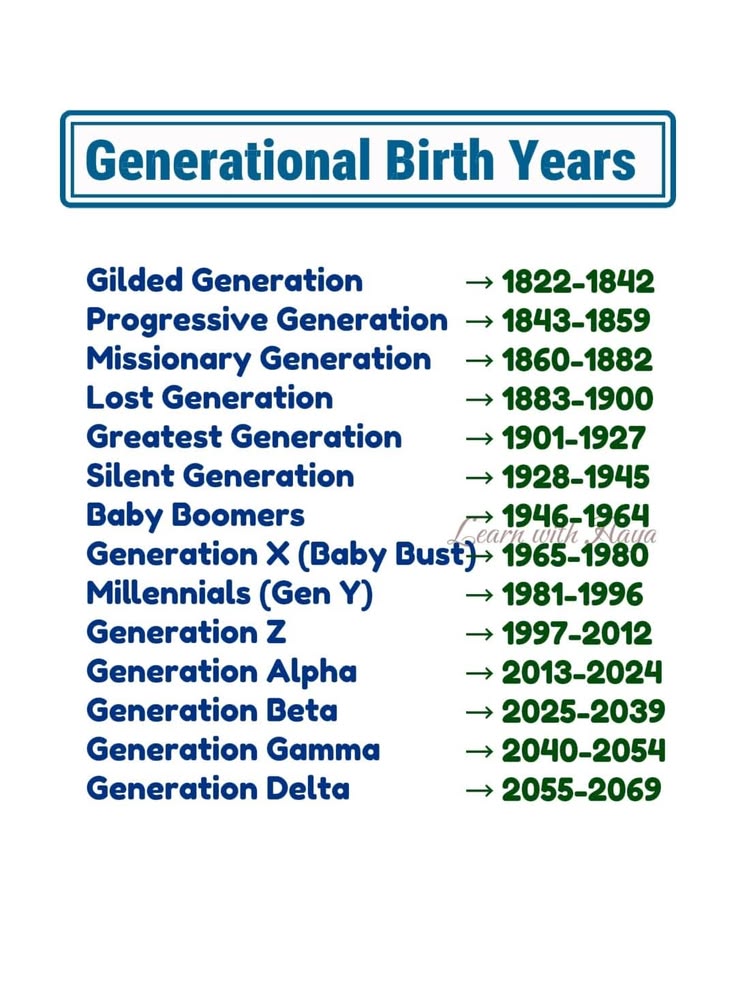
Every Black American generation has inherited a different version of America and developed a culture of surviving it.
The problem is not that those survival strategies were wrong but that it began when yesterday’s solution became today’s permanent rule.
The history begins with slavery and ends with divided families, banned education, and using violence to turn humans into property. Division by complexion, age, and gender could be exploited to encourage distrust and competition.
These methods are commonly associated with the “Willie Lynch letter”, which described in detail how to control enslaved people by dividing them. It was a documented system of slavery whose habits were reinforced through Jim Crow and discrimination. So let’s take a generational dive, shall we?
When Survival Requires Silence
The Greatest (G.I.) and Silent (Traditional) generations survived racial oppression through faith and unity. They had to learn how to control their emotions, protect their families and avoid attracting dangerous attention simultaneously.
An accomplished feat by most Black people those days.
The endurance preserved Black families, but it also passed down a level of silence that hindered. Expressions such as “Be strong,” “pray about it,” and “what happens in this house, stays in this house” sometimes discouraged conversations about trauma and mental health.
This behavior in particular is a trauma response to one of slavery’s cruelest lessons. That lesson is that showing pain could invite more punishment, while appearing emotionally controlled could improve one’s chances of survival. What once functioned as protection can now prevent healing, hence why this generation produced “Strong, Silent” types.

When Access Replaces Ownership
Baby Boomers and Generation X entered institutions their predecessors fought to open. The expansion of the Black middle class and the advancements in Black political/professional representation are definitely accredited to the two generations. Generation X in particular was influential in the introduction of Black modern culture and was a force in its global expansion.
However, access is sometimes mistaken for freedom. Black people entering a corporation did not mean the Black community owned the corporation. Hip-hop as a culture dominated global culture, yet much of its distribution and profit remained controlled elsewhere.
The system of working for access and not ownership was derived from slavery. Whenever Black creativity drives an industry but Black communities receive only a fraction of its long-term value, something is off. Establishing cultural visibility without economic control can create influential people, not powerful ones determined to know how their culture is used. Impoverished conditions almost always promote the forfeiture of rights/ownership, but that’s another blog topic.
When Confrontation Replaces Construction
Now Millennials and Generation Z reject silence to the core. They openly confront any “-ism” responsible for trauma and generational curses. The invention of social media has provided younger Black Americans the power to document injustice and define their identity beyond the traditional norm.
Though this digital era has its benefits, it can create the same division that the previous eras have. Arguments over complexion, gender, and class can turn legitimate differences into permanent battle marks. Public calls of accountability may generate attention, but without producing something of ownership, it is not conducive at all. Kinda counterproductive if you ask me.
Younger generations are proficient at identifying oppression, but naming a system is not changing a system. If every disagreement becomes betrayal, division continues without any enslaver needing to enforce it. The ideologies meant to constrict us are all on autopilot now.
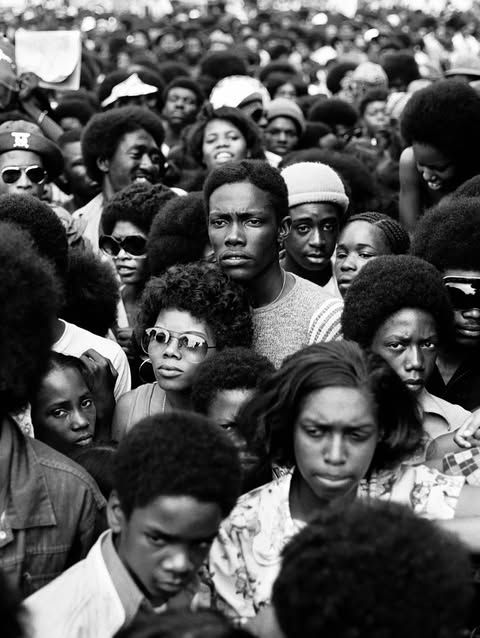
Turn Survival Into Strategy
Black progression in any timeline requires a collective effort from all generations mentioned in this body of work. The Willie Lynch letter, whether you believe it to be a hoax or reality, stated particular factors that can still be seen in practice till this day. We need the elders’ discipline without their silence, the middle generations’ access without confusing representation for ownership, and the younger generation’s courage without allowing confrontation to replace construction.
The logical resolution is to establish generational interdependence that promotes and practices: honest conversations about trauma, provides family financial education and supports for Black-owned institutions while simultaneously investing in the youth collectively.
Those 400 years encouraged division because cooperation threatened the system. Healing must therefore do the opposite and our endurance must become our wellness. Our access must become ownership and our confrontation must lead to construction.
So my question to you is: why is Black America continuing to follow a divided script that history has proven was written against us?


Leave a Reply