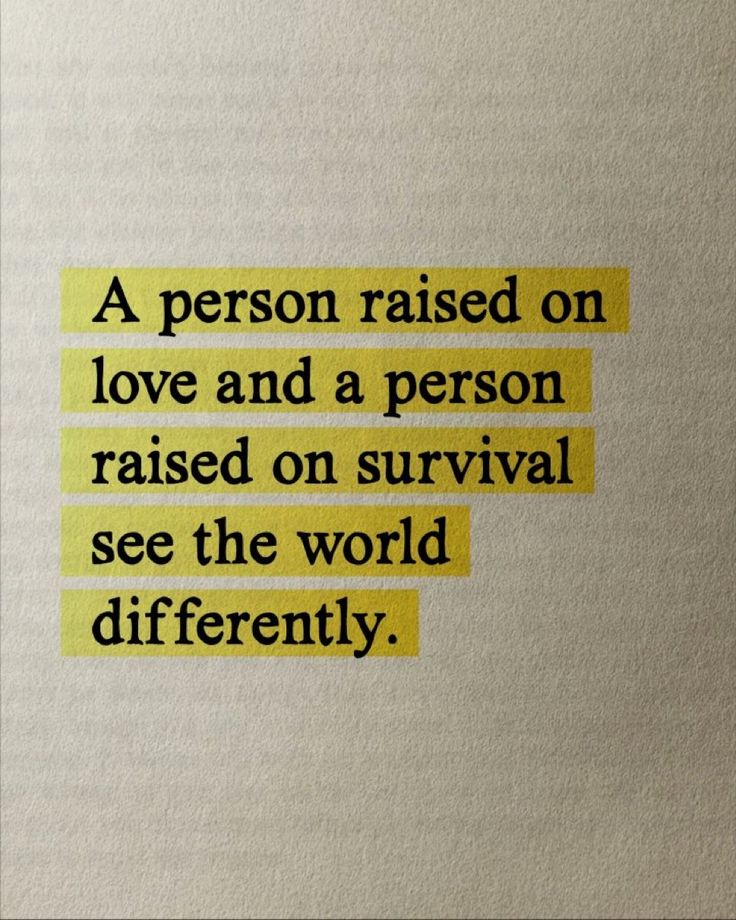
At the beginning of all our existence, we were cultivated either by love or survival. Being raised on love does not guarantee harmony, and being raised on survival doesn’t guarantee longevity, but what is guaranteed is that both provide limited views. The focal point of this body of work is to investigate and elaborate on my interpretation of being raised on survival and how it cripples adults unknowingly. This mental tool that our parents/guardians bestowed upon us in our youth can mutate into destructive habits that hinder not only our personal development but our social development as well. Not every destructive habit begins with the desire to destroy. Some begin as intelligent responses to surroundings where safety, affection, and money are nonexistent with no warning. Most children learn to keep conflict low, disappointment manageable, and vulnerability hidden as a means of survival and mental problem resolution. However, in adulthood, those lessons may still be operating, even though the conditions that created them have faltered. That is what makes adult-sabotage so difficult to recognize; it rarely introduces itself as fear. It can wear many faces and can even receive praise while quietly interfering with intimacy, peace, and personal growth.
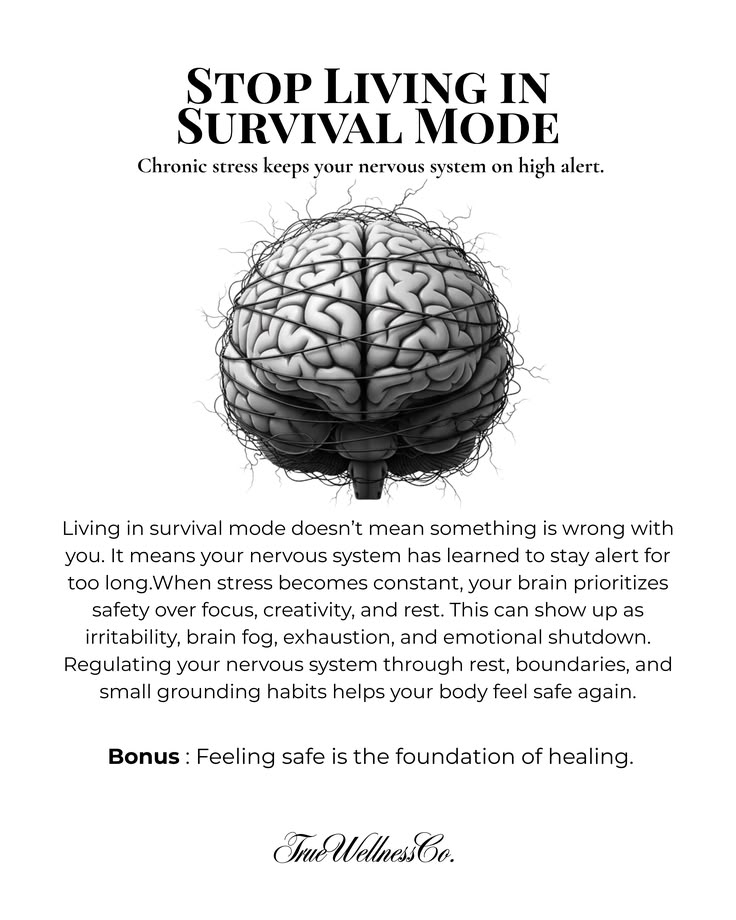
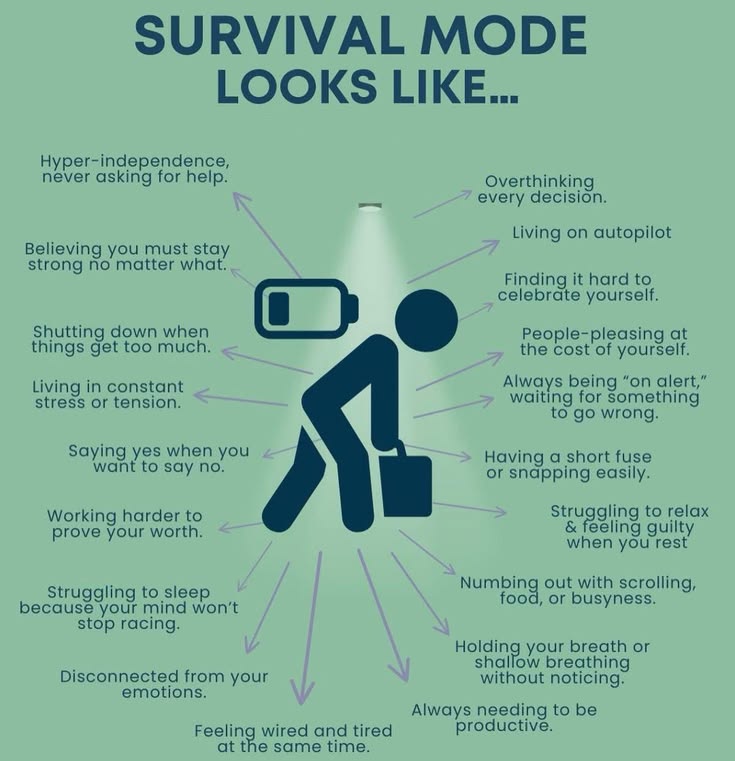
For example, let’s examine the person who never asks for help. From the outside, they appear disciplined and dependable and receive admiration for stoic perseverance. What most don’t see is that accepting help creates discomfort because dependence once meant surrendering control to someone unreliable. Their independence may be real, but it is also defensive. Eventually, being the “strong one” becomes a private prison that everyone assumes he needs nothing because he has trained them to believe it.
This behavior pattern carries particular weight in parts of our community, where endurance has often been treated as both cultural strength and practical necessity. Strength has always been a conduit to Black family survival during unsafe and unfair situations with institutions that are not always to be trusted. But strength can become so expensive when it leaves no room for exhaustion, uncertainty, or care that a person can become so committed to proving that pressure cannot break them that they never notice that pressure changes them.
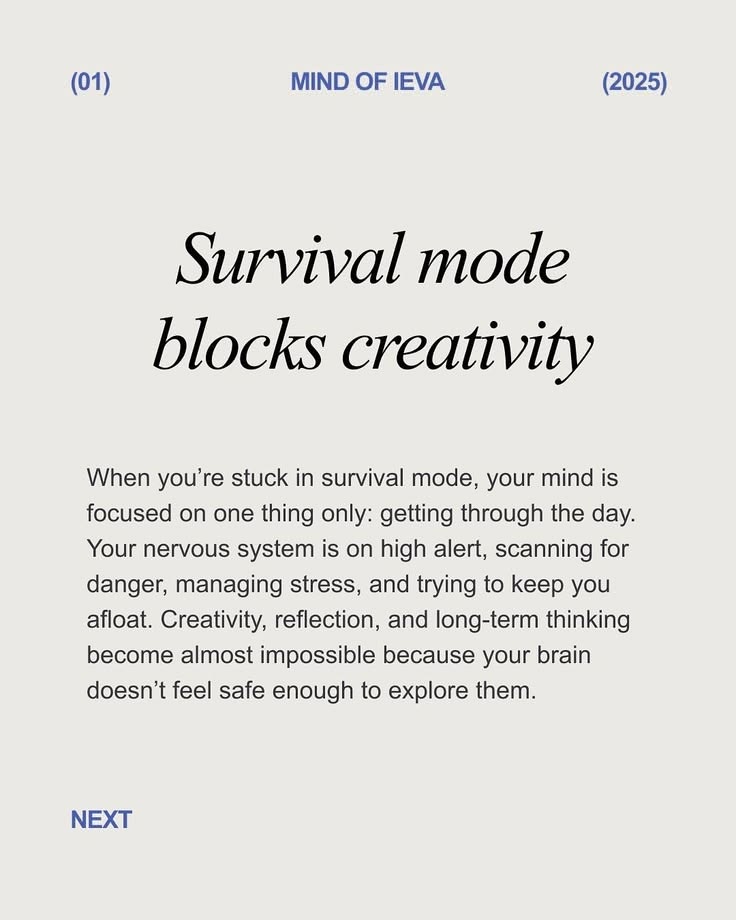
The toughness that said strength brings can morph into hyper-vigilance. Someone raised around unpredictable anger may become exceptionally skilled at reading rooms. A delayed response, altered tone, or tightened expression is noticed immediately, and that sensitivity once provided valuable warnings. However in adulthood, the mind may continue treating ambiguity as valid evidence. Might interpret a quiet partner as angry or make constructive feedback feel like humiliation. They are not inventing sensations; the nervous system is interpreting incomplete information through an old danger map.
Emotional suppression creates a quieter form of damage. A person who learned that sadness invited ridicule or that fear attracted exploitation may convert vulnerable emotions into something less exposing. Sadness becomes silence, and fear becomes anger. The original emotion does not disappear; it simply enters the room wearing armor.
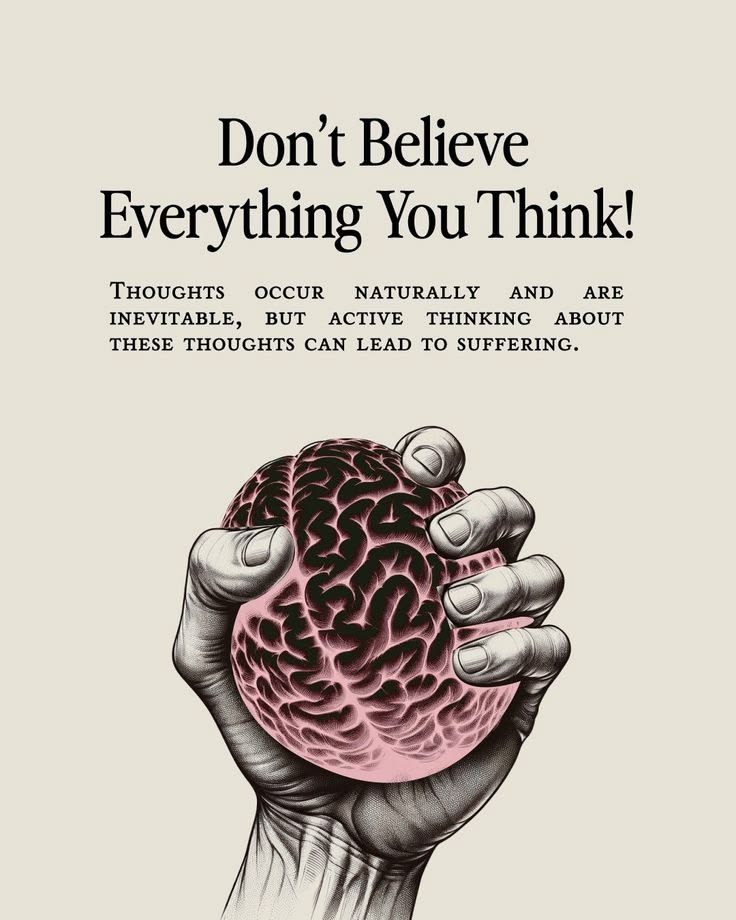
This is why some adults can discuss almost anything except what they actually feel. They may debate details, point out inconsistencies, or explain why someone else is wrong, yet remain unable to say, “That hurt me,” “I felt abandoned,” or “I need reassurance.” Their relationships become crowded with arguments about events, while the emotional meaning of those events remains untouched.
People pleasing operates from the opposite direction but produces a similar loss of honesty. It can resemble generosity because the person anticipates needs, avoids unnecessary conflict, and makes room for everyone. The hidden cost appears when kindness is used to purchase safety or belonging. Every yes creates an unspoken expectation, and every ignored boundary adds resentment. Eventually, the person becomes angry that others keep taking what was repeatedly offered without objection.
Avoidance and procrastination offer temporary relief from these tensions. Difficult conversations are postponed, and promising opportunities are “carefully considered” until they expire. Procrastination is often described as poor discipline, but in many cases, it is emotional protection. If failure once brought humiliation, delaying the attempt protects the person from being fully evaluated. An unfinished goal can preserve the fantasy of potential; a completed effort can risk producing a definitive answer.
Perfectionism uses the same strategy with better public reception. It tells a person that excellence is the goal while quietly making mistakes feel intolerable. Preparation becomes endless, and small flaws overshadow meaningful progress. Rest creates guilt because worth has been tied to performance. Achievement may produce recognition, but recognition cannot settle a nervous system that believes acceptance must be continuously earned.
The same conflict appears in relationships these days. People who expect abandonment sometimes leave first, withdraw after intimacy, or become attracted to emotionally unavailable partners. Distance feels painful, but it also feels familiar simultaneously. Healthy affection may produce more anxiety than inconsistent affection because stability requires a new kind of vulnerability. There is no obvious crisis to manage, no affection to chase, and no chaos to interpret as passion. Peace can feel suspicious to someone whose body learned that calm was merely the pause before another disruption.
That suspicion can create the outcome that the person fears. Constant testing exhausts loyal partners statistically and theoretically. Refusing support makes others stop offering support. You would be surprised how many people among us don’t fully understand this. Avoiding disagreement allows resentment to accumulate until the relationship becomes unsalvageable. The person then receives confirmation that people always leave, without recognizing how self-protection helped construct the exit.
Now, none of this means every difficult behavior is caused by trauma, nor does a history of adversity automatically produce a mental health disorder. The National Child Traumatic Stress Network explains that children in unsafe or inconsistent homes may become highly sensitive to other people’s moods and learn to conceal their own emotions. The Department of Veteran Affairs similarly notes that avoidance and hypervigilance can interfere with trust, intimacy, and family functionality.
Therefore, the goal is not to shame survival response because shame usually strengthens secrecy. The more useful question is whether the response still fits the present situation. Is independence protecting freedom or preventing connection? Is caution detecting real danger or assigning guilt without evidence? These are just a few to ponder about philosophically.
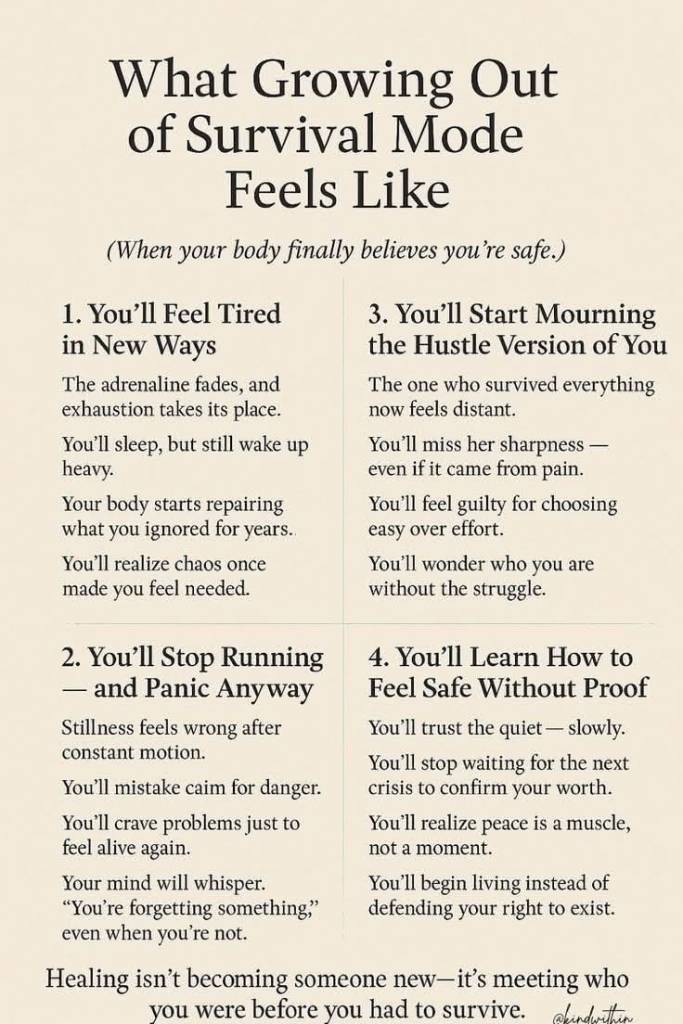
Healing begins when automatic protection becomes conscious choice. That may involve practicing small acts of dependence, tolerating manageable uncertainty, and identifying the emotion beneath anger and setting boundaries before resentment sets them violently. For some, trauma-informed counseling may be necessary, especially when these patterns disrupt daily functioning.
Survival skills deserve respect because they helped countless people reach a place where reflection is possible. But a tool should not encompass our whole being and become a permanent identity. It’s as if being defensive can save lives in battle, but wearing it constantly makes affection feel like an attack, and peace feels like inadequate preparation.
Sometimes self-sabotage is not a person refusing to improve but our defensive mind working from outdated instructions. The task is not to destroy that part of yourself but to teach it that you no longer have to ruin what is safe just to remain prepared for what once was not.
I leave you to ponder on this: “if the danger is long gone but the defense remains, are you still surviving or has survival started living your life for you?”


Leave a Reply