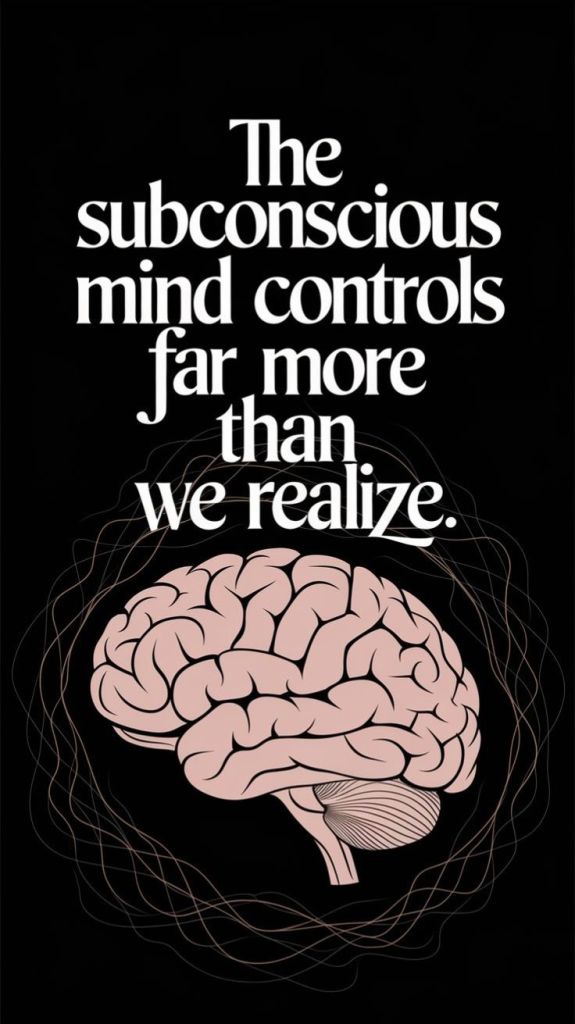
They say that the brain is the hardware and the mind is the software of our body’s computer. That the brain helped create the complex structures in our body, while the mind gave the knowledge of purpose to every organ, neuron and cell. Our brains have unpaid workers behind the scenes recollecting, all while our conscious replays an argument from three Wednesdays ago. In either case, I dwell on the question: “How do our subconscious come into existence?”
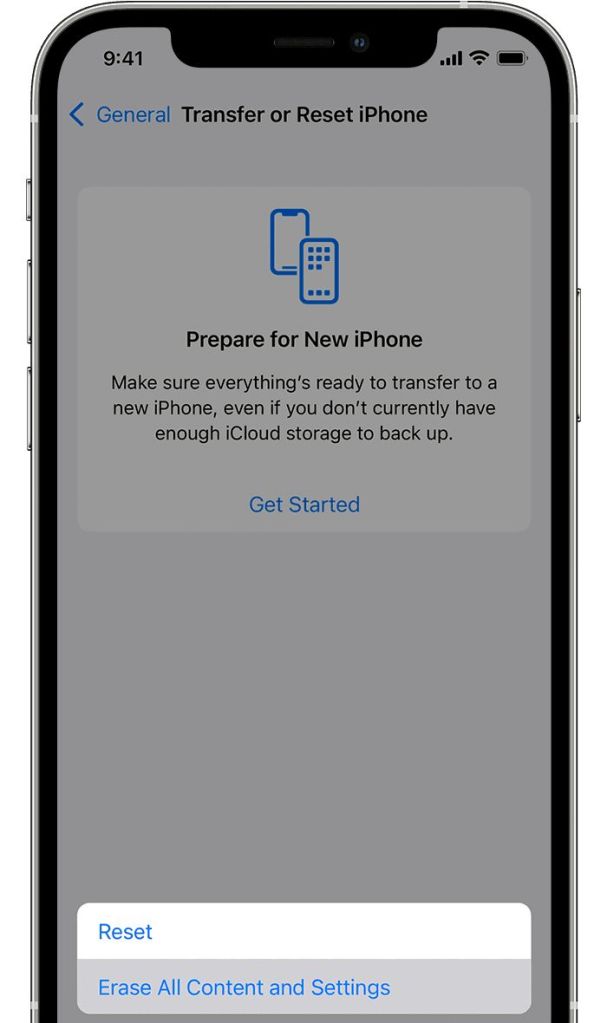
Everybody Starts With Factory Settings
Like in the movie “Chappie” (a sci-fi movie about transferring consciousness), we start out as babies without understanding the social rules of the world. We don’t understand money, relationships, or danger, but our brain still watches everything. If crying usually brings comfort, we learn that people can be trusted. Or if loud arguments regularly lead to trouble, we learn that raised voices mean danger. Us as children may not recall those early moments later, but the brain retains every pattern.
Think of the brain as the Block mom of your neighborhood, who always watches from her window every summer. She watches everything, remembers who’s out at the Bodega, and has a spider-sense for trouble. Symbolically, that’s the physical depiction of the subconscious.
Repetition Rewires
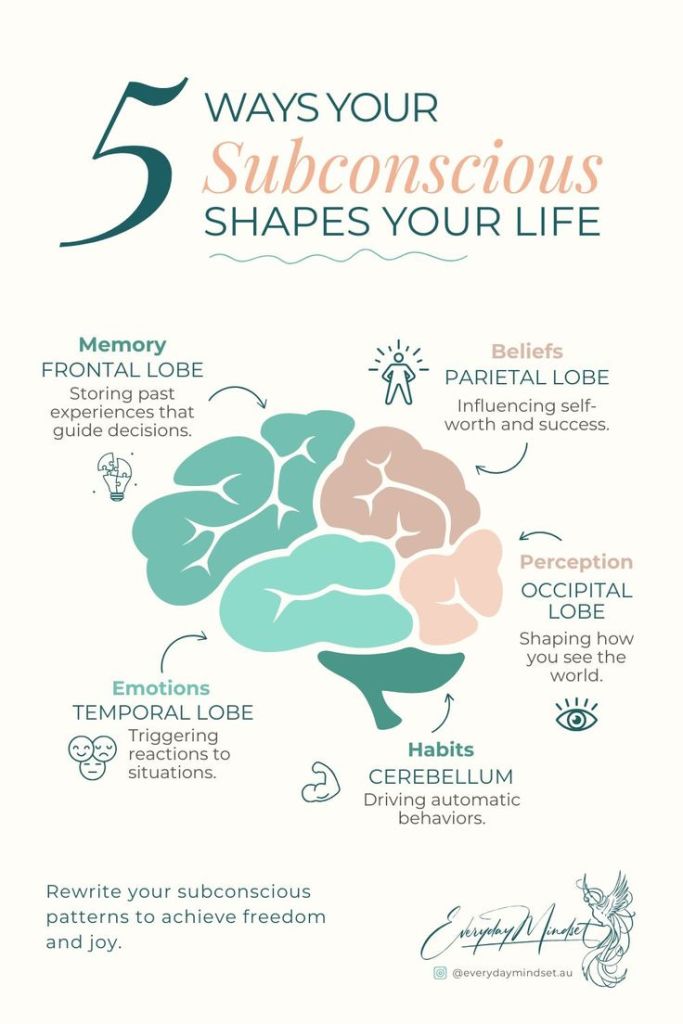
Like a robot, we imitate the languages, gestures, and attitudes of the people teaching us both (in)advertently. Habits develop similarly: a cue triggers a familiar behavior and that behavior produces some type of reward. Repeating this cycle makes the behavior easier to perform automatically. That’s probably why we grab our phone as soon as it vibrates. The impulse to interact with your phone combined with the actual vibrating chime simultaneously trains the subconscious.
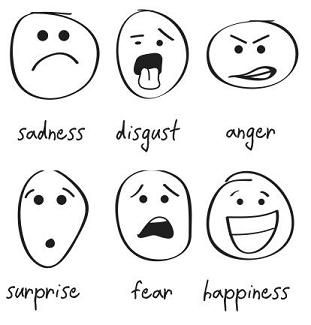
Emotions Use Sharpies
Emotionally significant experiences often receive special attention from the brain. The amygdala helps identify significant events, especially possible threats. The hippocampus helps organize memories and connect them to people, places and situations.
Imagine your hippocampus as a librarian and your amygdala as a super-excited security guard. The librarian files the memory, while the security guard stamps it “CAUTION – MIGHT HURT”. Even the smell of Sunday dinner may create comfort before you consciously remember whose kitchen it resembles. A particular tone of voice may cause tension because the brain associates it with past conflict. This practice is commonly seen in hypnotism where people use auditory triggers to recall and submit control.
Surroundings Set Settings
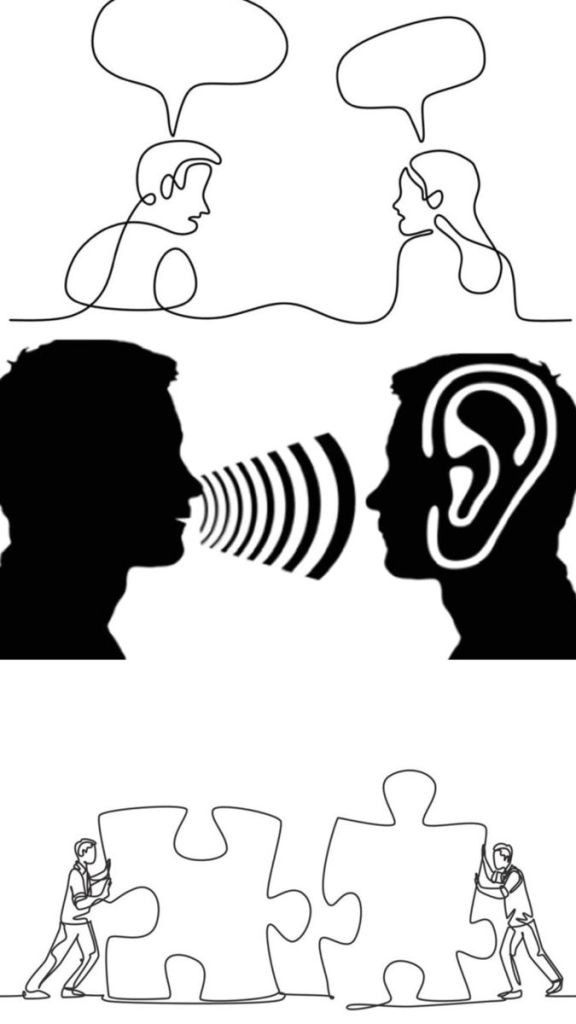
People in your vicinity, institutions you may frequent, to even entertainment of choice, all have a hand in shaping how you see the world at an early age. A child who regularly hears “men should never cry” may grow into an adult who hides depression. Or someone raised around constant positive affirmations may have a heightened sense of self-esteem. People can receive very different lessons from different teachers. One person may teach you love while another may teach you fear.
Instinct Forecast
Our brain constantly uses previous experiences to predict the future, kind of like our Memory T cells. This ability is useful because consciously analyzing every detail would take forever. Imagine standing at the corner store for 45 minutes because your brain must relearn how to buy chips.
However, quick predictions can also produce inaccurate assumptions. The brain may apply an old lesson to a new situation, even when that lesson no longer fits. A past rejection, for example, may cause someone to expect rejection from people who have done nothing wrong.
Our subconscious is efficient, but efficiency does not guarantee correctness. The corner store microwave is efficient too, but it can turn a soft burrito into shoe leather. Ponder that for a moment.
Can the Subconscious Be Changed?
Yes, the brain remains capable of change throughout life. However, automatic patterns usually require repeated effort to change because they were built through repetition in the first place.
Your subconscious is not your destiny but more like an old GPS programmed by childhood experiences. It may have helped you navigate yesterday, but that does not mean it knows the best route for tomorrow.
Subconscious to me is the biggest part of our soul identity, and we should handle what influences it with extra care. So with that said, I would leave you with this question to marinate on: “Are you consciously choosing your destination, or does an old, formatted survival GPS have the keys to your future?”


Leave a Reply