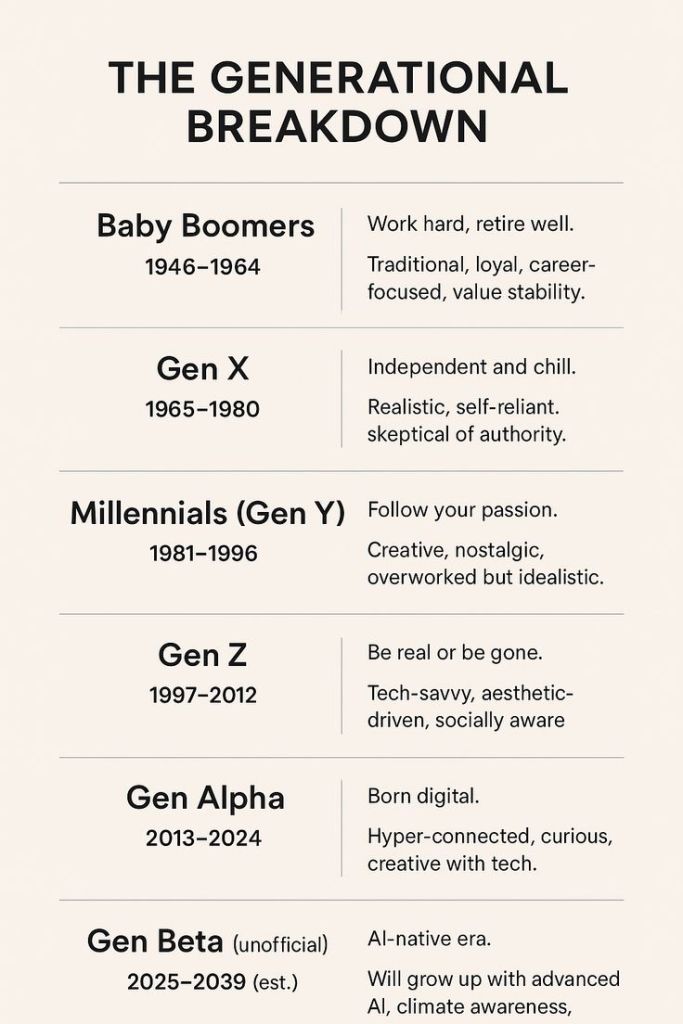
Too often generations ridicule their successive generation for not applying themselves. Baby Boomers love to lecture Gen X saying, “We had one job and bought homes, while you whine about wages instead of working harder and spending less.” Meanwhile, Millennials sneer at Gen Z, claiming “We battled debt, low pay, and economic chaos just to get by, yet you demand high salaries, flexibility, and work-life balance right from the start.” All parties involved in both conversations have valid points, but the true culprit is disparity. Americans became more productive, but much of the economic reward flowed upward to asset owners and top earners while the cost of housing, education, and healthcare surged faster than wages. According to the Economic Policy Institute, wage stagnation for average workers has been closely tied to rising inequality despite long-term productivity growth. Economic Power Institute
America’s modern wage-to-cost-of-living gap is commonly felt as about a 20% – 30% shortfall for average workers, with housing often being the largest pressure point. Since 1985, median household income has risen roughly 255%, but median home prices have climbed about 415%, pushing the national home price-to-income ratio from around 3.5 to approximately 5.0. American Income vs Home Prices In simpler terms: paychecks grew, but homeownership often sprinted ahead like it had somewhere urgent to be. For many Americans during the Baby Boomer era, wages closely aligned with living expenses, creating a stronger chance of achieving basic middle-class stability. A steady job could often support a mortgage, family needs, and retirement savings back then.
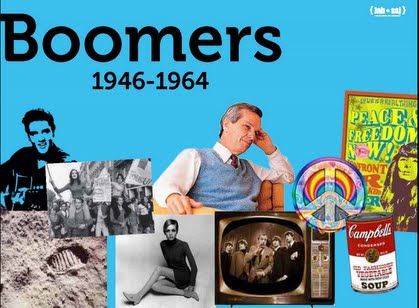
Each generation functions like an economic weather report for America’s evolving financial climate. During the Baby Boomer era, many households experienced stronger wage alignment with living costs. In 1960, the median home cost about 2.1 times median income; by 1967, it was roughly 3.2 times. History of U.S. Homeownership That meant one steady income often had a realistic path toward homeownership, retirement savings, and family stability.

In contrast, Gen X inherited an economy where job security weakened, pensions declined, and wages began losing against rising costs. Millennials then entered adulthood during recessions, student debt expansion, and a housing market that became increasingly difficult to access. By the time Gen Z arrived, wages were higher on paper, but rent, healthcare, education, transportation, and everyday essentials had grown faster than entry-level income. Since 1973, purchasing power has risen, but home prices have increased over 1000%, while tuition has also dramatically outpaced inflation. Costs of Generations
Therefore, the issue is not simply laziness, entitlement, or poor budgeting. It is an uneven economic structure where each generation faces a different version of the same storm. The argument should not be about who struggled more, but why hard work no longer guarantees the same stability it once did. So instead of asking why the next generation is not working hard enough, should we be asking why hard work no longer buys the same American stability it once promised?
Comments are encouraged, let’s chop it up a bit.


Leave a Reply