It’s not just about being quiet; it’s about the noise around us that shapes who we are. Life isn’t always a straight line either. The world we live in, the challenges we face and the choices we make all play a part in who we become. Scientists think our growth is like a tug-of-war between our genes, environment, and what we decide to do. The real question is, who taught us to be who we are?
Studies have shown that genetics accounts for about 40% of the differences in personality among people, according to PubMed. It was conducted to look at 134 different studies on how genes affect behavior. Things like how sensitive we are to emotions, how sociable we are, how impulsive we are, how calm we are, and how open we are to new ideas are partly because of our inherited genes.
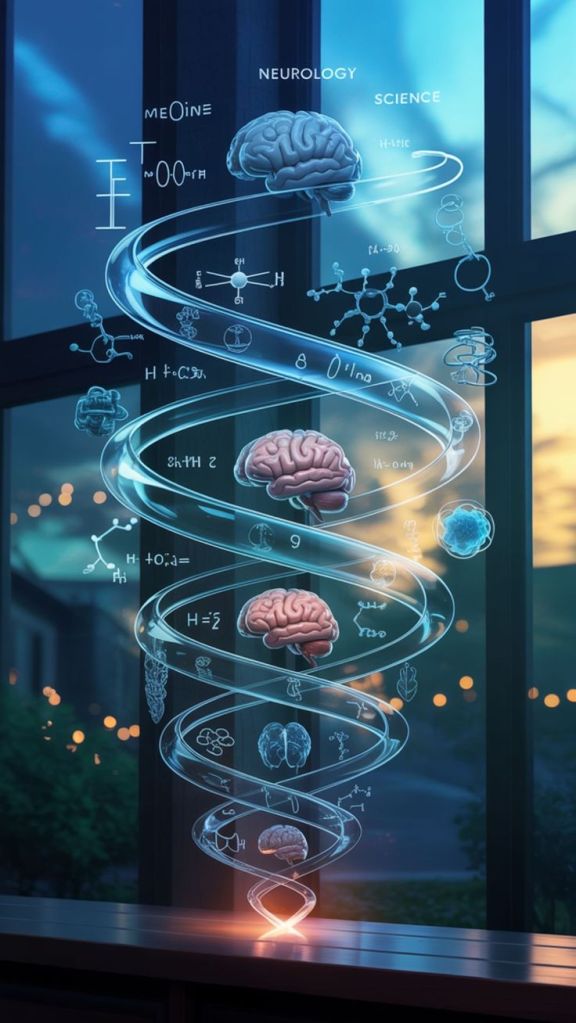
Biology influences personality by shaping thoughts, feelings, and responses to the world. It shapes foundational traits like confidence, caution, motivation, and stress response. Now genes affect tendencies like introversion, emotional intensity for example. Research suggests inherited traits influence reactions to social situations, pressure, fear, reward, and emotional challenges.
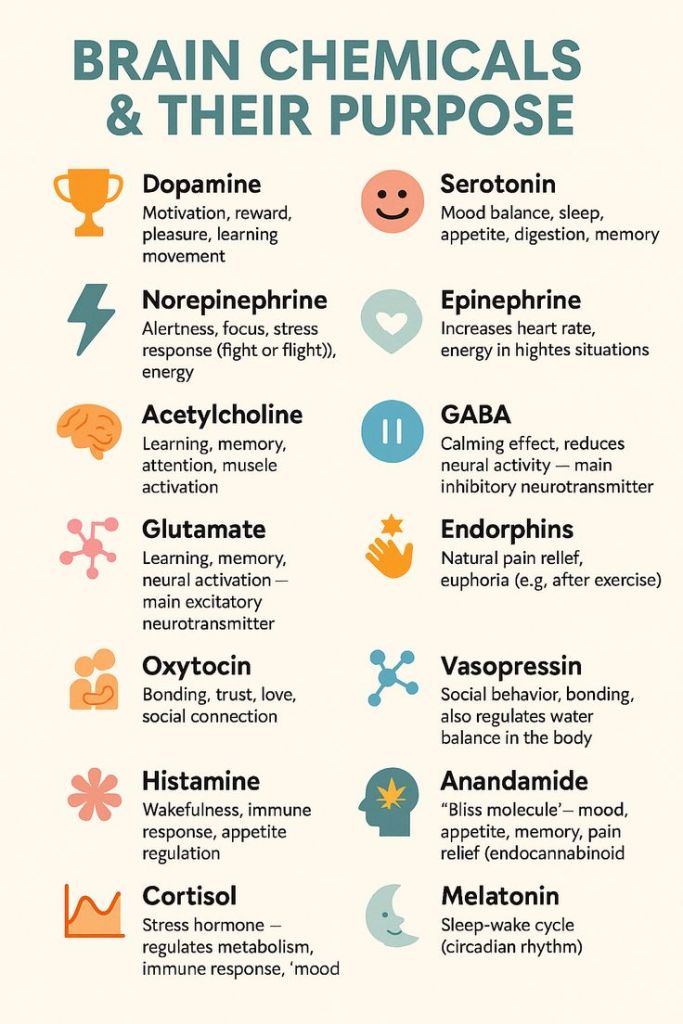
Brain chemistry including dopamine, serotonin and cortisol also plays a role in mood, motivation, pleasure, and self-control. Balanced or disrupted chemical levels affect calmness, anxiety, and emotional reactivity. Temperament develops early, making some people’s emotional senses heightened. This means some individuals may respond more strongly to stress, fear, and social situations as children. Hormones in biology shape the brain’s handling of threat, trust, anger and emotional regulation. Together, these biological factors create the foundation of personality, while environment and personal choices shape it over time.
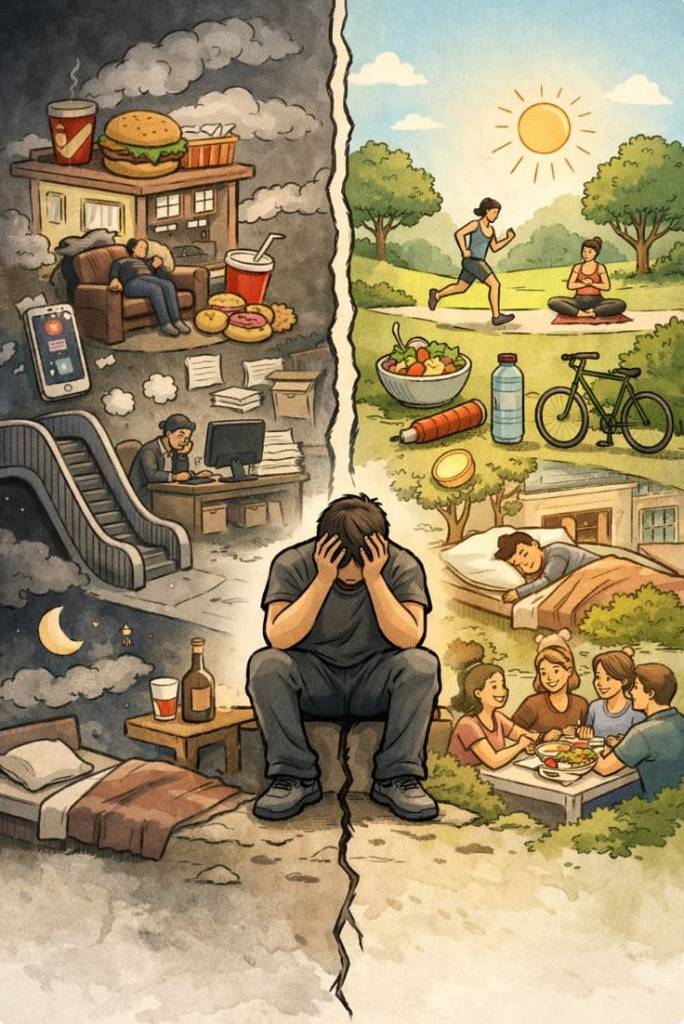
The environment plays a significant role in shaping a person’s early reactions to the world. Family, neighborhood, school, trauma, poverty, peer groups, culture and social expectations all play a role in the process. However, researchers have discovered that “shared environments,” like growing up in the same household, often explain less than anticipated. In contrast, “non-shared environments,” which encompass personal experiences that siblings do not share, play a crucial role in shaping an individual’s behavior and outlook.
Choices matter too, but not like a magic switch. Choices shape personality through repeated behavior. Aversion who repeatedly practices discipline can become more conscientious. A person who repeatedly avoids conflict may become more passive. A person who practices social courage can become more outgoing. In a review of 207 intervention studies, personality traits have been recorded changing over a span of an average of 24 weeks according to PubMed. PubMed
Personality in the end, is not a predetermined trait bestowed upon us at birth. Instead, it’s more like a dynamic blueprint, continuously evolving through the interplay of biology, environment, and our repeated choices. Our genes lay the initial groundwork, while our surroundings exert pressure and our habits refine the final contours of our personality. However, the most intriguing aspect lies in the fact that we are not solely the product of our past experiences. We are also molded by our responses to those experiences. So, if biology establishes the foundation, the environment elevates the walls and furnishes the rooms, how much of our identity is truly our own, and how much was pre-programmed within us before we even began to perceive ourselves as “me”?


Leave a Reply