“How childhood trauma manifest in relationships”
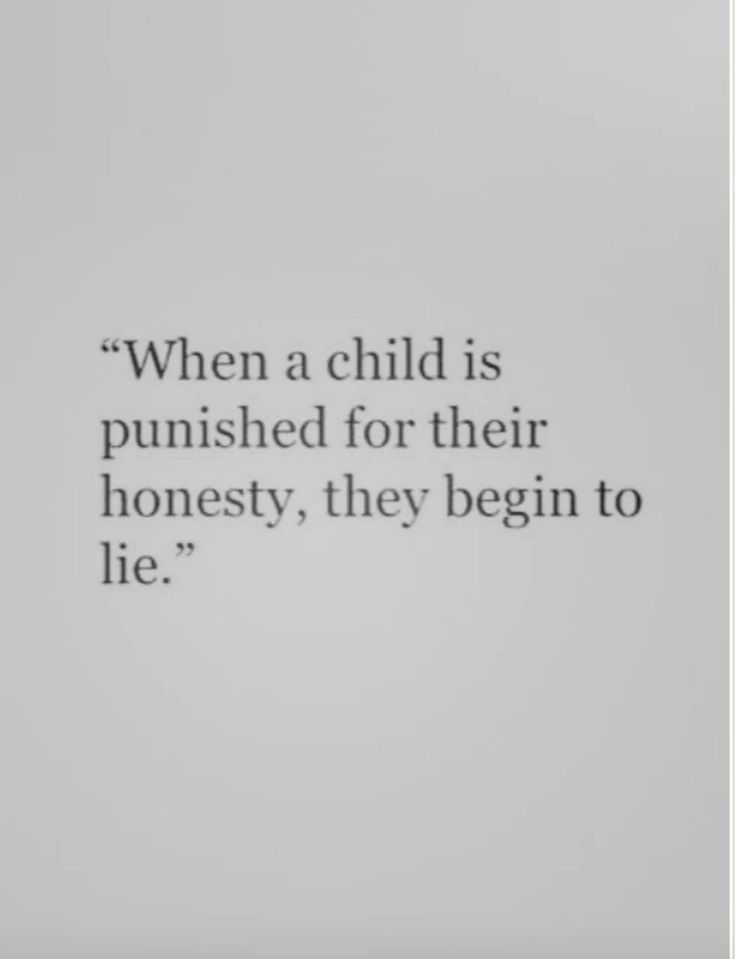
Childhood does not always stay in childhood, and most times it follows us in family dynamics and work environments. We grow older, build lives, and yet closeness can still fear we learned before we had words for them.
For some people, childhood meant learning who could be trusted. For others, it meant learning whose footsteps required silence.
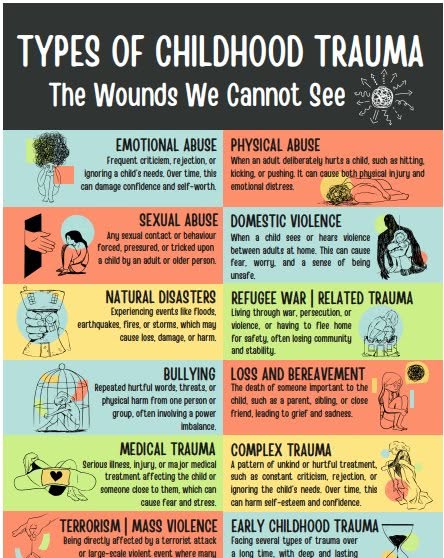
Childhood trauma can affect how we experience safety, handle conflict, and discern dependency on others outside ourselves. Early on, abuse and neglect can disrupt relationships through which children learn emotional regulation and self-worth. Those effects have the propensity to reach all personal relationships, ranging from interactions with authority figures to dealings with our romantic partners. But a difficult beginning does not dictate every relationship that follows.
Still Guarded
Some relationships traumas begin as ways of staying safe. If a child who carefully watches a parental figure’s mood may become someone who notices every change in tone. A child who hides distress may grow accustomed to saying “I’m fine” before considering whether it is true. These adaptive habits can become difficult to set aside when circumstances become unsafe.
Imagine how that might play out: a partner saying “I need some space,” after an argument. One person could mean a little time to cool off; the other, whose childhood included repeated abandonment, may hear, “I’m getting ready to leave you.” They might urgently seek reassurance or pull away first to protect themselves preemptively. The same conversation can carry two different meanings when past experiences shape present expectations.
Research also shows a connection between childhood mistreatment and attachment anxiety and avoidance. Someone who fears being abandoned, feels uncomfortable depending on others, or experiences both tendencies at once. Wanting connection and struggling to trust it can exist together. It can be exhausting that a particular loneliness occurs in wanting support while feeling unsafe asking for it.
Silent Battles
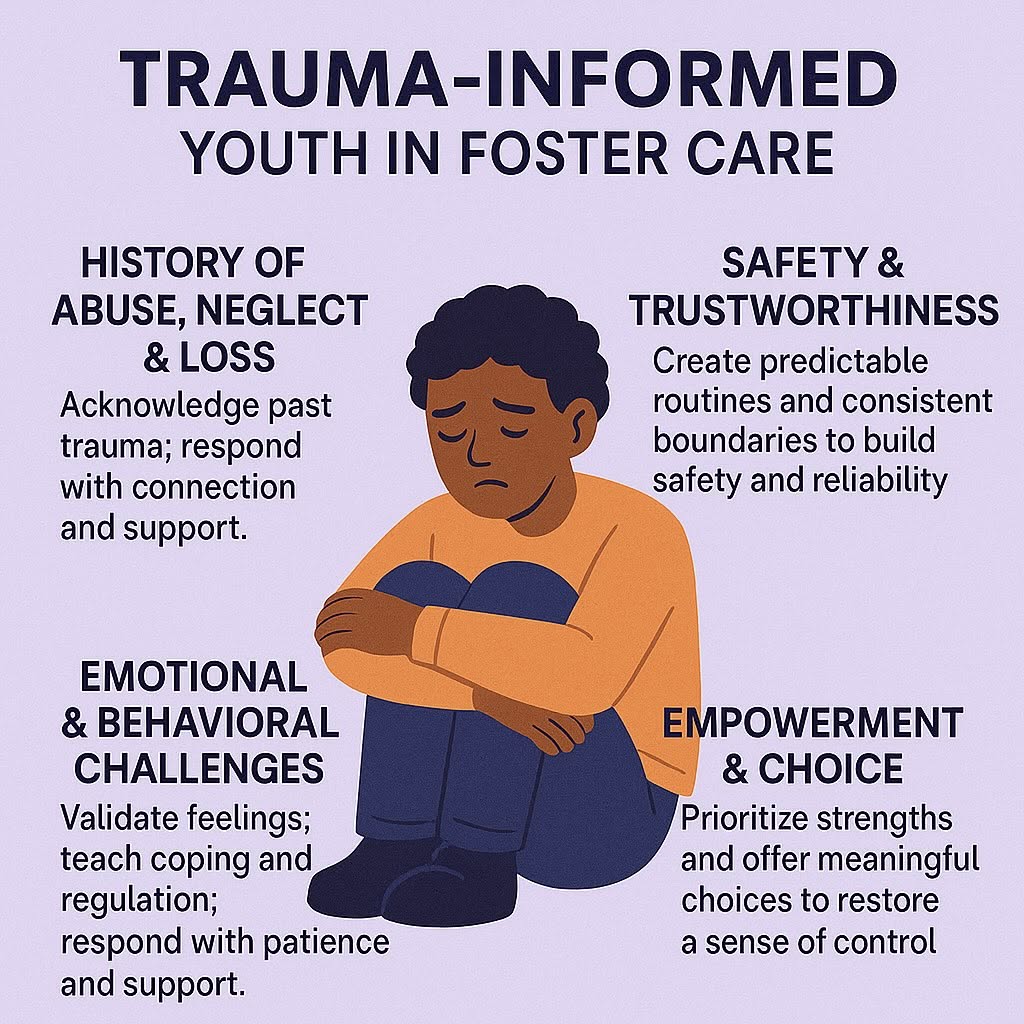
Duress brings distress, which is not always loud. Some people struggle to identify what they feel; others carry shame or blame towards themselves for how they may have been coerced. During overwhelming interactions, some may mentally disconnect from life. From the outside looking in, these responses can resemble indifference or unwillingness to communicate.
For instance, when PTSD develops, emotional numbing can further strain personal connections. A partner or family member may feel shot down, while the person experiencing symptoms struggles to stay emotionally present. Both people may deserve recognition for responsibilities shifting during the distress.
This context matters in parenting as well. For understanding our responses creates an opportunity to consider what our children experience when we are overwhelmed.
Myths Leave Marks
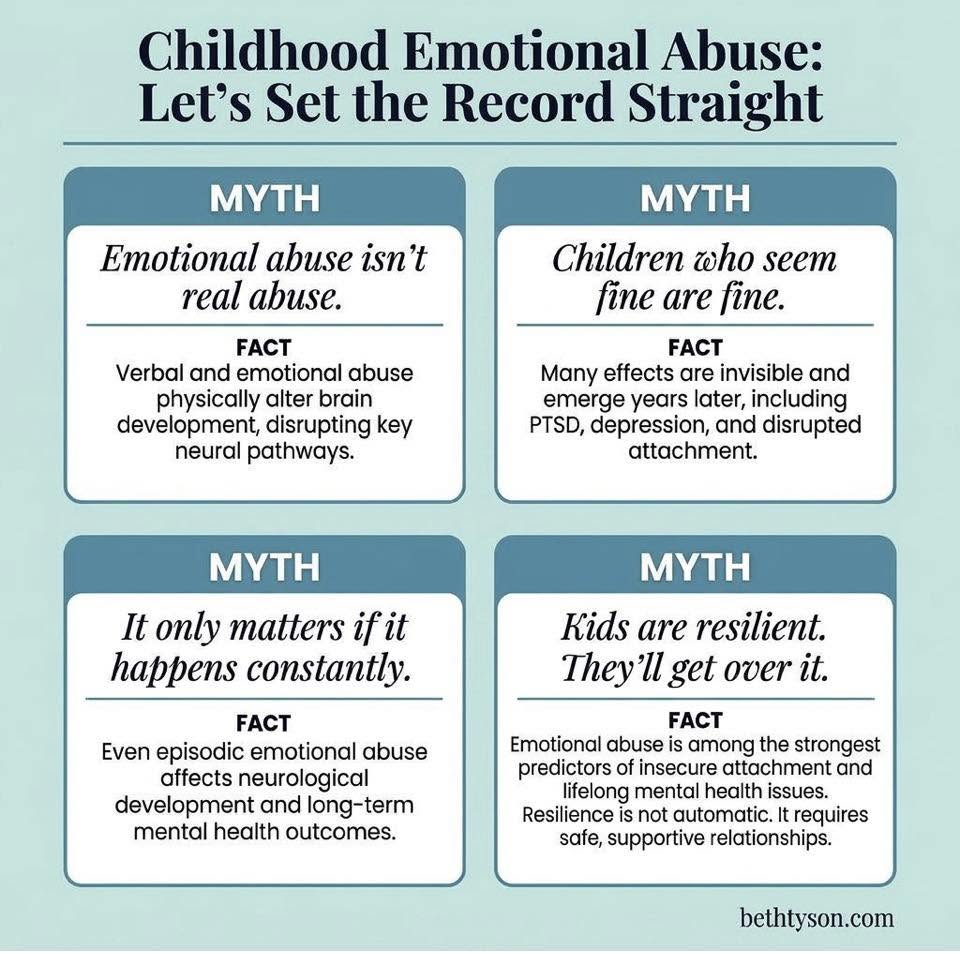
People with childhood trauma are often described as damaged goods, unloveable, or repeat offenders of abuse and trauma. These labels turn a history of being hurt into a judgment about character, but only to the untrained eye. Evidence is more measured due to the review of 23 reports that found a moderate association between childhood emotional maltreatment and poorer adult romantic relationship well-being. That finding identifies a risk across groups; it cannot tell us whether a particular person will be compatible or incompatible. Emotional abuse and neglect matter, but neither makes relationship failure inevitable. Trauma exposure does not automatically mean PTSD or other ailments dealing with emotions. Even among people with PTSD, most have never engaged in violence due to diagnosis. We should be careful about turning psychological language into another way to stereotype people.
Compassion Isn’t Permission
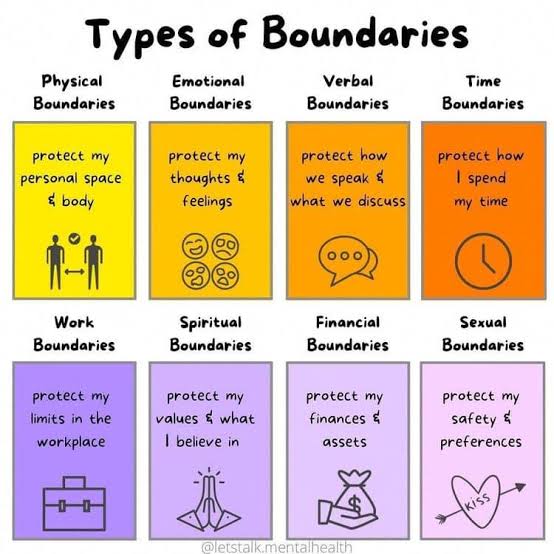
Understanding someone’s pain does not require accepting mistreatment. A difficult past does not warrant threats or coercion as acceptable. Likewise, loving someone does not assign you the job of healing them.
Supportive relationships can help recovery, and effective PTSD treatment does exist. Treatment may also improve relationship functioning in a harmonious manner. However, research on adult trauma and relationships focuses heavily on romantic partners. We should avoid assuming every finding that applies to friendships, workplaces, and extended families.
In everyday life, a useful beginning may sound simple: “I need a moment before we continue.” “That hurt, and I want to explain why” are just a few examples of communicating through distress. Childhood trauma deserves understanding without becoming someone’s entire identity. People deserve room and grace to heal, and the people besides them deserve the admiration and respect for not letting them do it alone. We all may have come to Earth and left Earth alone, but the time spent in between the two doesn’t have to be.
So I leave you with this: How much of what we call “just the way I am” is something we learned to be around people who made us feel unsafe?

