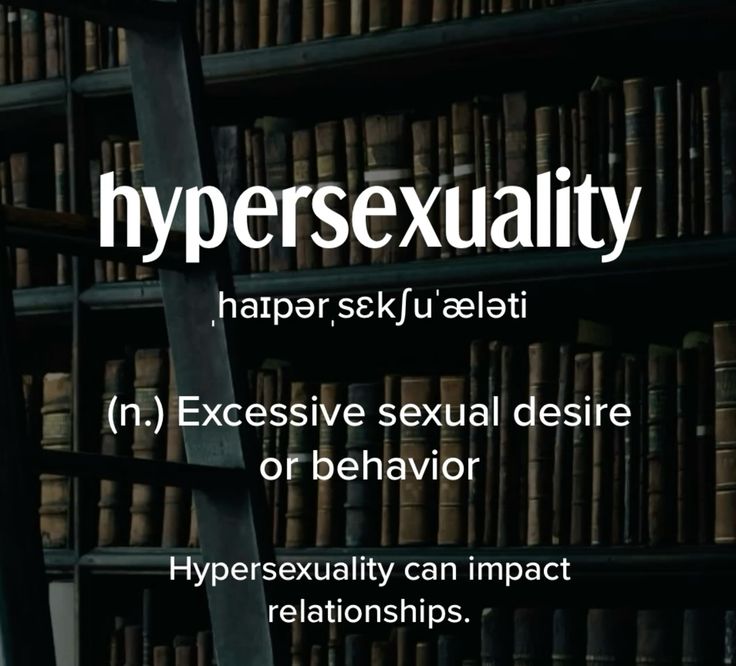
Hypersexuality, medically referred to as compulsive sexual behavior, manifests as persistent, intense sexual thoughts, urges or behaviors that are difficult to control and interfere with daily functioning. While its presentation can vary among individuals, there are overlapping behavioral patterns in both men and women, with some gender-typical expressions influenced by social conditioning and psychological factors.
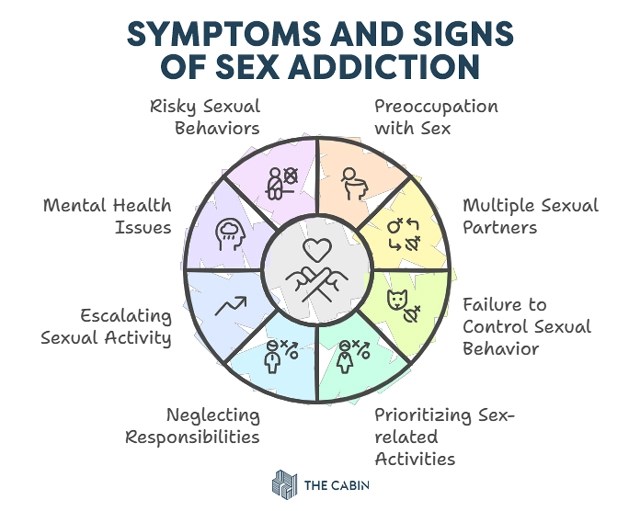
Behavioral Indicators for Both Men and Women:
- Preoccupation with sex: Distinguish intrusive sexual thoughts that disrupt work, school, or relationships.
- Compulsive behaviors: Repeated engagement in sexual activities (e.g., pornography consumption, masturbation, casual sexual encounters) despite adverse consequences.
- Loss of control: Failed attempts to reduce or cease behaviors.
- Escalation: Increasing intensity, frequency, or risk-taking over time.
- Emotional regulation: Utilizing sex as a means of coping with stress, anxiety, loneliness, or depression.
- Relationship strain: Infidelity, secrecy or neglect of emotional intimacy.
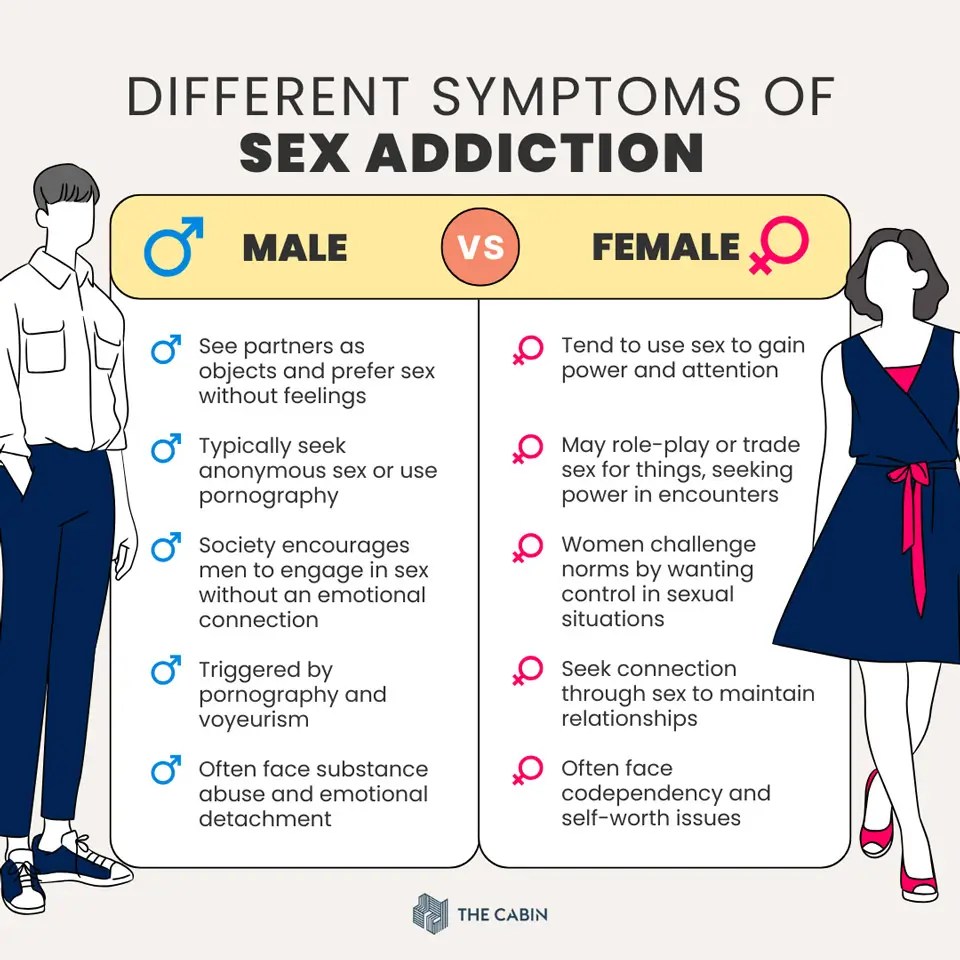
How It Often Manifests in Men:
- High frequency of pornography use, potentially escalating to more explicit content.
- Anonymous or multiple sexual partners, including transactional sex.
- Risk-taking behaviors (unprotected sex, public encounters).
- Detachment of sex from emotional connection.
- Greater likelihood of externalizing behavior (acting out rather than internalizing).
How It Manifests in Women:
- Sex tied to validation or emotional needs (seeking approval, attachments, or self-worth).
- Serial relationships or overlapping partners.
- Difficulty setting sexual boundaries.
- Engaging in sex despite low desire, driven by compulsion rather than pleasure.
- Increased internalized distress (shame, guilt, anxiety) due to social stigmas.
Hypersexuality is not merely characterized by an elevated sex drive. The defining factor lies in impairment and a lack of control. Impairment encompasses a structural abnormality in the mind or body, such as cognitive, motor, or sensory impairments. Conversely, a lack of control pertains to the behavioral consequence where an individual is unable to regulate impulses, emotions, or actions. Hypersexual behavior is occasionally associated with other conditions, including bipolar disorder, obsessive-compulsive disorder (OCD), attention deficit hyperactivity disorder (ADHD), and other trauma-related disorders.
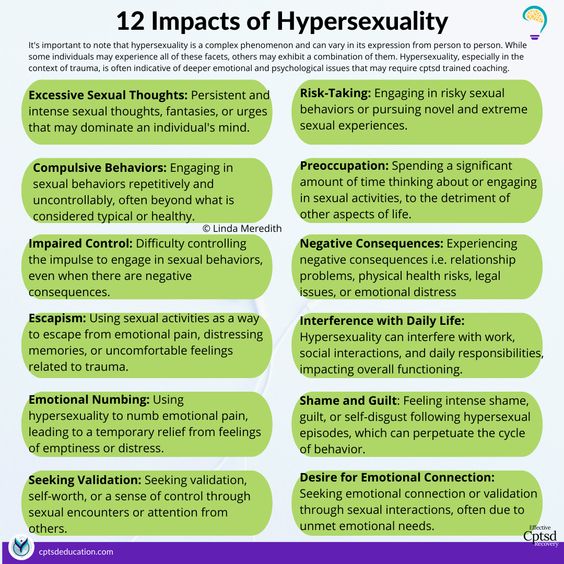
Behaviorally, hypersexuality is primarily driven by compulsion, emotional dysregulation, and consequences, rather than solely by frequency. While the outward expression may vary (ranging from more external to relational patterns), the underlying mechanism (lack of control and coping through sexual behavior) remains consistent.
To really get a handle on this condition, it’s important to tell the difference between what’s considered a clinical impairment and just normal changes in how people feel about sex. When I say impairment, I am talking about things that distracts your daily life, like punctuality, insomnia, or relationship issues. The key thing to remember is that it doesn’t mean there’s something wrong with your brain or body. Also, just being promiscuous or watching a lot of pornography isn’t enough to say you have a disorder. This becomes alarming if you’re having a hard time keeping your behavior in check and it’s causing dysfunction or making you feel bad. If the distress is just because you feel bad about yourself or your beliefs, that’s usually not what we’re looking at. Just so you know, the DSM-V (Diagnostic and Statistical Manual of Mental Disorders) doesn’t see hypersexuality as a mental disorder itself, but more like a sign that you might have another mental health issue.
Technical assessments also examines when symptoms began, how long they have persisted, and whether another condition better explains them. For instance, increased sexual activity occurring exclusively during a manic episode requires evaluation in that context. Medication effects and substance use can also produce changes in sexual behavior. Their presence may change the appropriate diagnosis and treatment plan.
Proper understanding of the distinction between desire and dysfunction is often conflated. Someone may enjoy frequent consensual sex while maintaining responsibilities, respecting agreements, and comfortably postponing sexual activity when necessary. Another person may repeatedly miss obligations to pursue sexual encounters despite serious consequences. This concern shows a persistent disruption and difficulty exercising control, rather than a particular number of encounters. No single frequency threshold reliably separates healthy sexuality from problematic behavior.
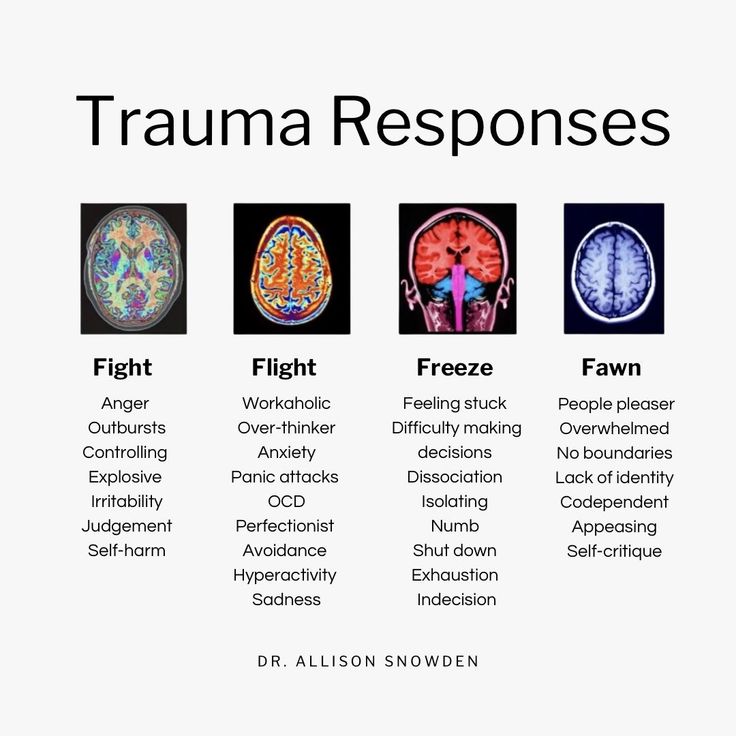
Treatment generally focuses on strengthening self-regulation through triggers and supporting healthy sexual expression. Cognitive behavioral therapy can help individuals recognize thought patterns and situations associated with unwanted behavior and practice alternative responses. Other approaches may incorporate mindfulness, acceptance strategies, or work on their relationships. Medication may be considered according to individual needs and accompanying conditions. Treatment should address relevant anxiety, depression, or substance use rather than assuming sexual behavior exists in isolation.
Desire deserves understanding, and distress deserves care. The meaningful question is whether a person can make sexual choices without repeatedly sacrificing their responsibilities. Recovery makes room for pleasure while balancing desire with peace of mind. So I pose this question to you: “When it comes to hypersexuality, ask yourself: is their sex life beyond their control or just beyond your approval?”


Leave a Reply