“Slavery did not put chains on Black bodies but put question marks on Black identity.”
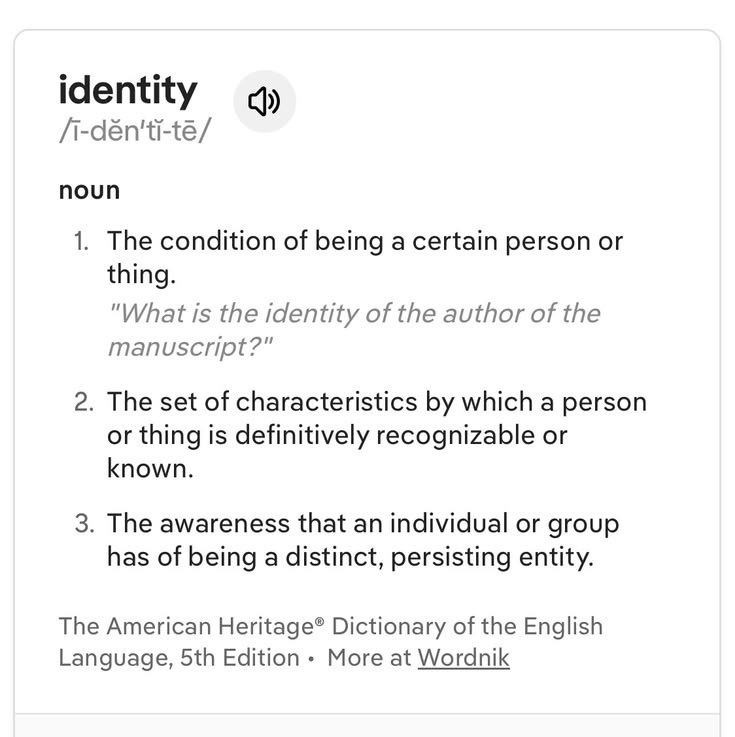
It took people with names, languages, traditions, religions, and history, then tried to squeeze them into one ugly label: property. That was not just cruelty but a devilish strategy because when you strip people of who they are, it becomes easier to control what they believe they can become.
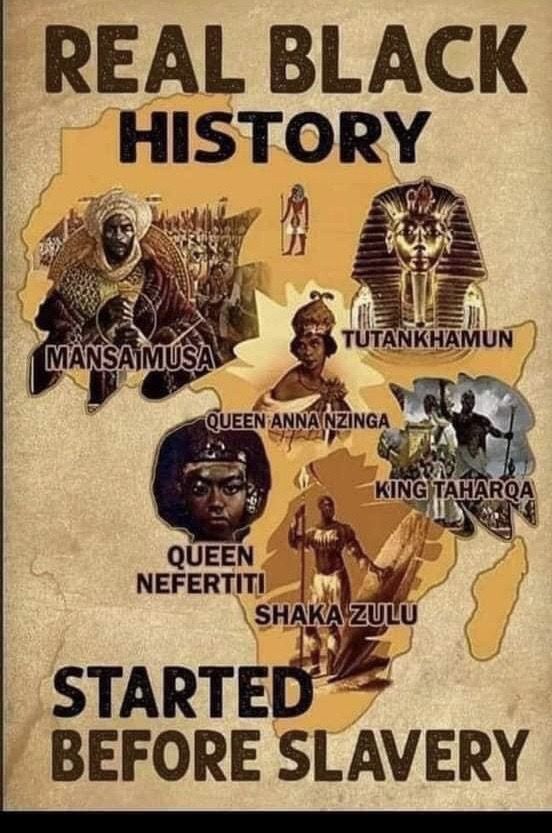
Before slavery, African people were not just “Africans” in some general, watered-down way. They came from kingdoms and cultures with their own customs, languages, spiritual beliefs and systems of leadership. They had identity, they had roots… they had stories.
Then slavery showed up like a thief with a Bible in one hand and a receipt book in the other.
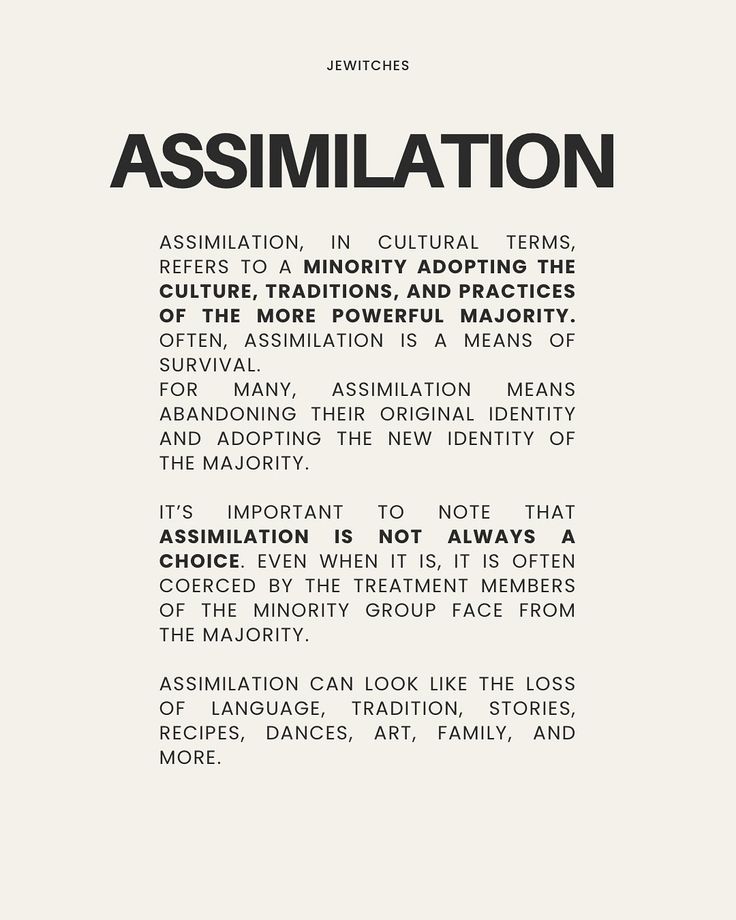
Names were changed and languages were beaten out. Families were separated, and skin color became a ranking system. Hair, features, speech, religion, and culture were judged through a white standard. Blackness was turned into something society tried to shame, police, profit from, and fear all at once.
This kind of damage does not vanish because someone signs a law and calls people free.
One of the biggest identity issues slavery caused was disconnection. Many Black Americans cannot trace their exact ancestry because slavery deliberately destroyed family records and cultural links. That leaves a deep question sitting smack dab in the middle of the room: Who were we before America renamed us?
That is a vital question because identity needs roots for validity. Without roots, people are forced to build themselves from shattered pieces with little understanding. A little family history here, a church tradition there, and survival habits disguised as wisdom.
Another long-term effect is the battle over image. Slavery and racism taught that being closer to whiteness meant being closer to safety, beauty, intelligence, and status. That poison still leaks into the present through colorism, hair discrimination, respectability in politics, and the pressure to “speak properly” just to be seen as professional.
This is why some Black people get told they are “too Black” while others get accused of “acting white”. That is not random drama; that is the leftover smoke from a fire somebody else started.
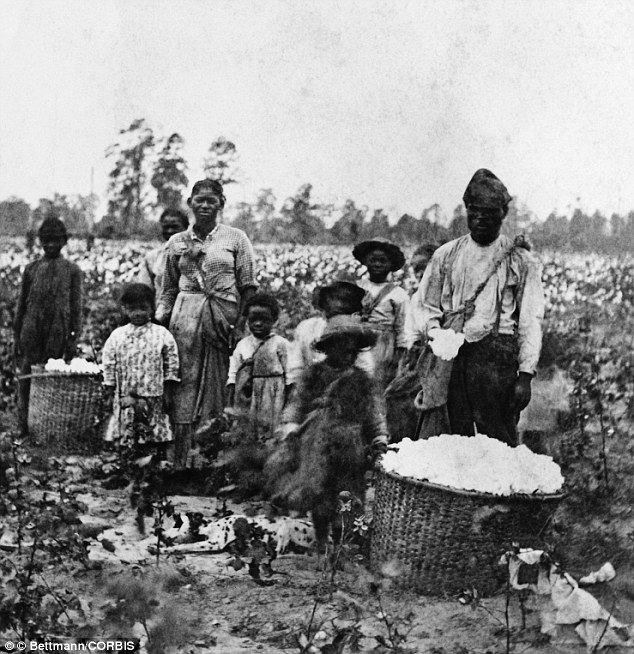
Slavery also attacked Black family identity by having enslaved families be sold away from each other at any moment. Love existed, but it had to survive under laws designed to break it. Over generations, that kind of trauma can create emotional guardedness, mistrust, survival-based parenting, and pain that families may carry without always knowing where it came from.
When it comes to money, slavery built wealth for others while leaving Black people with little more than freedom papers and fresh scars. After emancipation, Black Americans still faced blocked access to land, education, voting rights, safe housing, fair wages, and business opportunities. Those factors affect identity as well. When struggle becomes normal, peace can feel suspicious. When survival is inherited, rest can feel like laziness.
But here is the part history keeps trying to whisper when it should be shouted:
Black identity was attacked, but it was never erased.
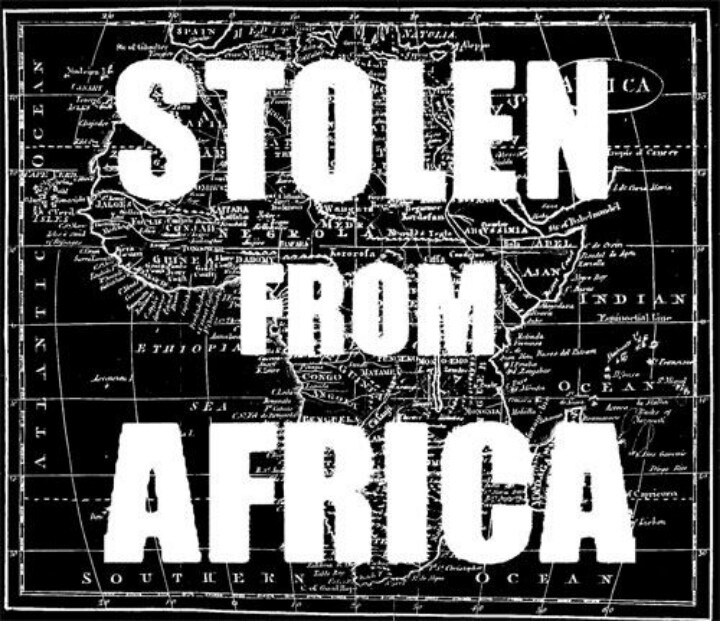
Out of stolen languages came new sounds; out of broken families came chosen families. Out of forced labor came craftsmanship and out of suffering came spirituals which gave birth to blues, jazz, hip-hop, and poetry. And culture so influential the world keeps copying it and acting like they created it.
So yes, slavery influenced the current identity issues in the Black community. It created disconnection, colorism, family trauma, economic wounds, self-doubt, and the exhausting pressure to prove humanity in rooms where it should have been obvious.
The real tragedy is that slavery tried to make Black people forget who they were. The real victory is that Black people kept becoming anyway. So the question is: if identity can survive being stolen, renamed, shamed, and buried, what could it become once it is fully reclaimed?
Let that marinate…


Leave a Reply