“How slavery affected today’s Black fatherhood”
Did Slavery help usher in Absentee Fatherhood in the Black Community?
Yes, but not in the simple way people usually say it.
Slavery did not make Black men careless fathers; that idea is lazy history with its shoes untied. What slavery did was attack Black fatherhood on purpose. It created a system where Black men could love and guide their children, while simultaneously being powerless to keep families together.
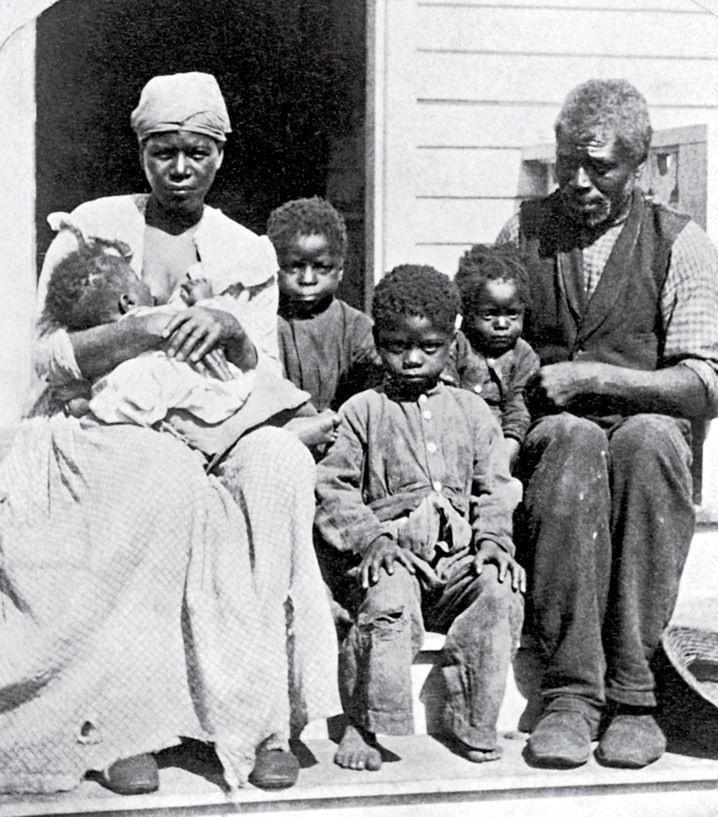
Think of it this way: imagine being a dad, but somebody else controls where your family lives, when you work and whether your family gets sold away. That is not “absentee fatherhood”; that is forced absence.
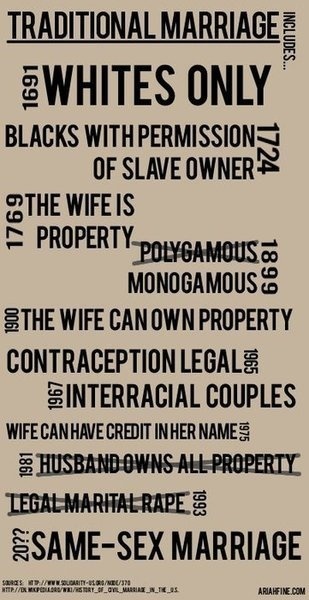
During slavery, enslaved Black people could not legally marry in most slaveholding colonies and states because the law treated them as property, not legal persons. A father might live on one plantation while his wife and children lived miles away on another. These were sometimes called “abroad marriages”, where the father had to walk at night or on limited free time just to see his family. His job as a forced laborer came before his role as a husband or father because the enslaver’s profit was treated as more important than the family’s peace.
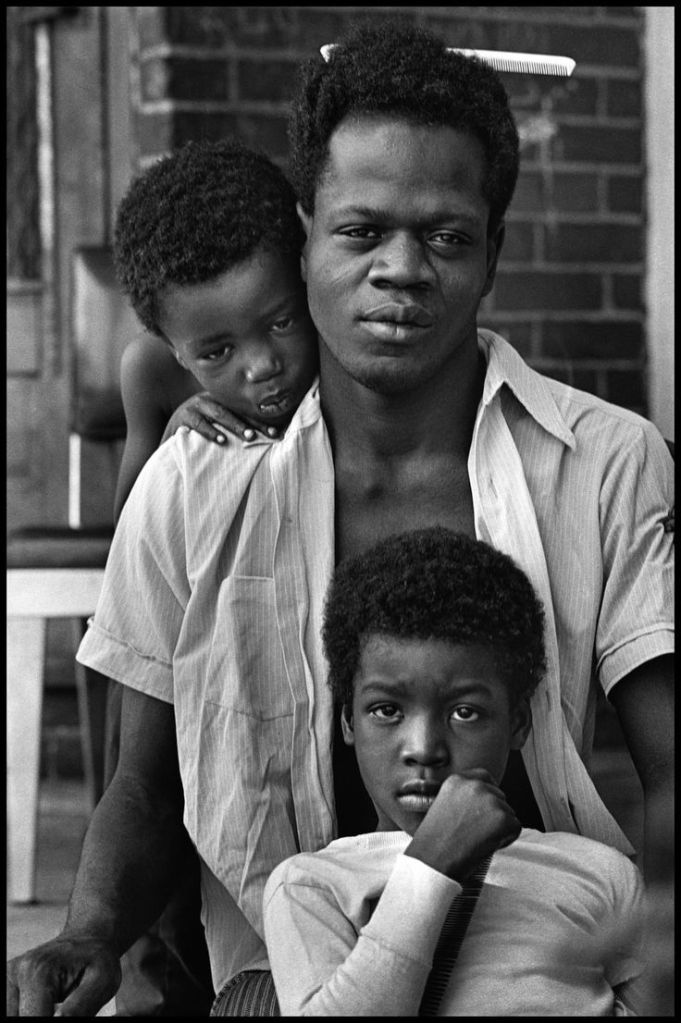
This matters because fatherhood is not just about biology. Fatherhood is presence, protection, correction, affection, and showing up when life gets loud. Slavery interrupted all of that by having the fear that Black fathers could not fully protect their child(ren) from being sold, punished, or separated. That kind of helpfulness is poison in the family tree. Not because Black men lacked love, but because the system put chains around their ability to act on that love.
And yes, families were torn apart constantly. The National Humanities Center explains that family separation through sale was a constant threat, and fathers could be sold away while the mother and child were left behind. Historian Michael Tadman estimated that about one-third of enslaved children in parts of the Upper South experienced family separation through sale away from parents, sale with the mother away from the father, or sale of a parent away from the child. That level of trauma makes it almost impossible to have hope of functionality.
Once slavery ended, many freed Black couples rushed to legalize their marriages. The Freedmen’s Bureau helped newly freed people document marriages, and the National Archives notes that enslaved couples’ unions had not been legally protected and could be broken by sale. That shows Black people were not running from family structure. They were running toward it the moment the law stopped blocking the door.
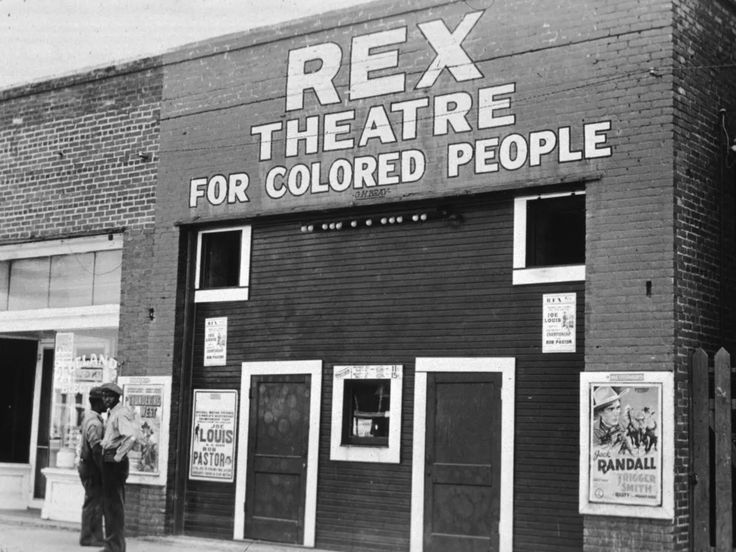
Now let’s get into the modern aspect… slavery was the first earthquake, but it was not the last aftershock. After slavery came Black Codes, convict leasing, Jim Crow, poverty traps, mass incarceration, and discrimination of all types. These systems kept interfering with Black men’s ability to be stable partners and present fathers. In 2023, the Sentencing Project reported that Black men born in 2001 still faced an estimated one-in-five lifetime chance of imprisonment, down from one in three for Black men born in 1981, but still deeply unequal.
This plight is important because incarceration often creates modern forced absence. If a father is over-surveillanced, underemployed, and financially crushed, his ability to show up gets complicated. Not impossible, but complicated to achieve. The Sentencing Project also reports that many incarcerated people are parents of minor children, and most of those parents are fathers.
But here is the twist people often miss: the stereotype that Black fathers are simply missing or uninvolved is too flat. A CDC report using national data from 2006 to 2010 measured father involvement with children they lived with and children they lived apart from. Among fathers living apart from young children, Black fathers were less likely than Hispanic fathers to have had no meal with their children, and Black nonresident fathers were also less likely than White or Hispanic nonresident fathers to have not played with their young children during the periods of conducting the survey.
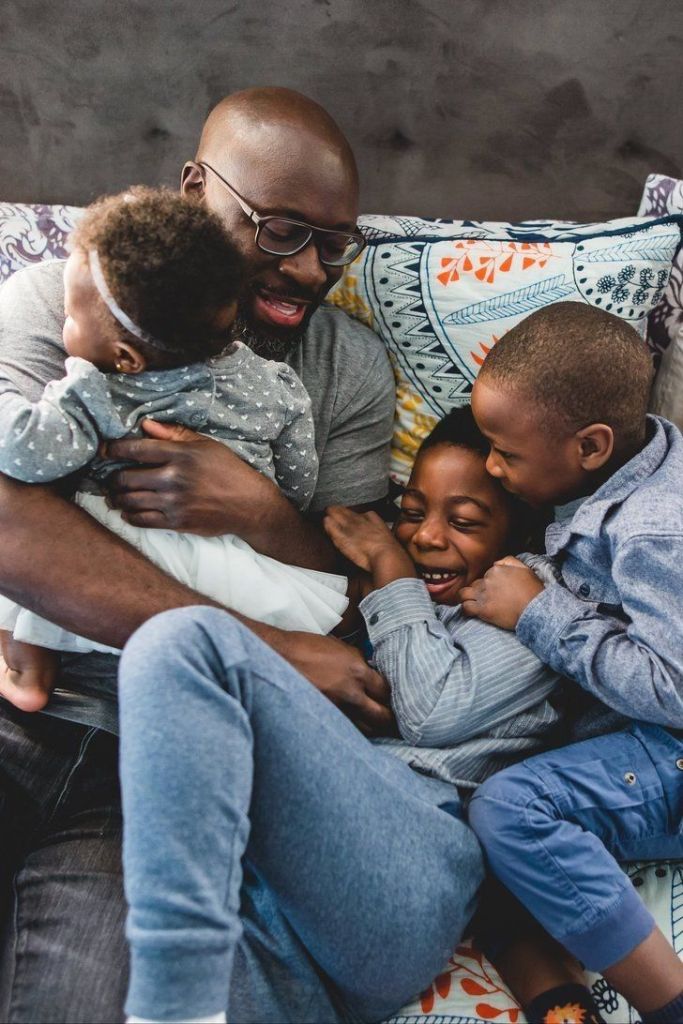
So the real story is not “Black dads don’t care,” but Black fatherhood has often been forced to operate under pressure. Some fathers are absent by choice, yes, because every community has human failure. But historically, many Black fathers were made absent by systemic hardships due to prejudice.

This is how we should talk about Black fatherhood. Slavery didn’t erase Black paternal love but attacked Black paternal access. It tried to turn fathers into visitors, husbands into strangers, and families into paperwork someone else could rip up.
The sad part is the wound that occurs, but the powerful part is the survival. I’m grateful to see the tide has changed when it comes to Black men being involved in family life. So maybe the better question isn’t “Why are Black fathers absent?” maybe it’s “How many Black fathers were called absent after history kept stealing their chances to present?”
Feel free to drop your thoughts.


Leave a Reply