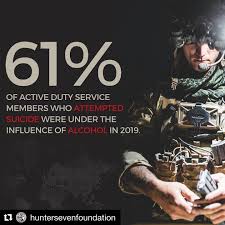
Alcoholism (clinically referred to as Alcohol Use Disorder) has a complicated relationship with military life. This correlation comes from a mix of stress, trauma, and easy acceptance of drinking. In plain language: the military can create an environment where alcohol becomes both the celebration drink and the coping mechanism, which is a dangerous two-job résumé.
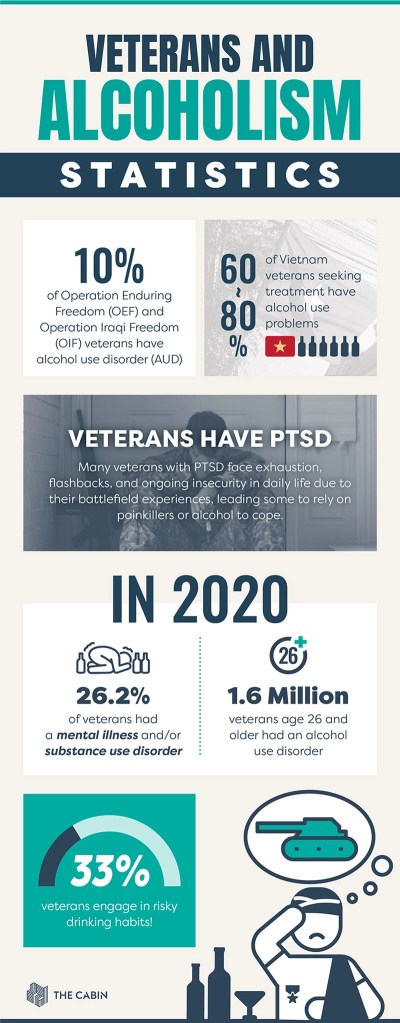
The military is built around pressure where service members train under stress, deploy under stress, sleep under stress, and sometimes eat mystery meat under stress. Alcohol can become a shortcut for calming nerves, sleeping faster, numbing memories, or bonding with others who understand the same lifestyle. The problem is that alcohol is a terrible therapist but it listens for one night and charges interest the next morning.
The numbers show the issue is real… The Department of Defense’s 2018 Health Related Behavior Survey found that 34% of active-duty service members reported binge drinking in the past 30 days, while 9.8% were classified as heavy drinkers. The same survey found 6.2% experienced serious alcohol-related consequences, such as punishment, fights, arrests, or relationship harm. That means alcohol is not just hanging around the barracks telling jokes but sometimes affecting one’s readiness, health, and careers.
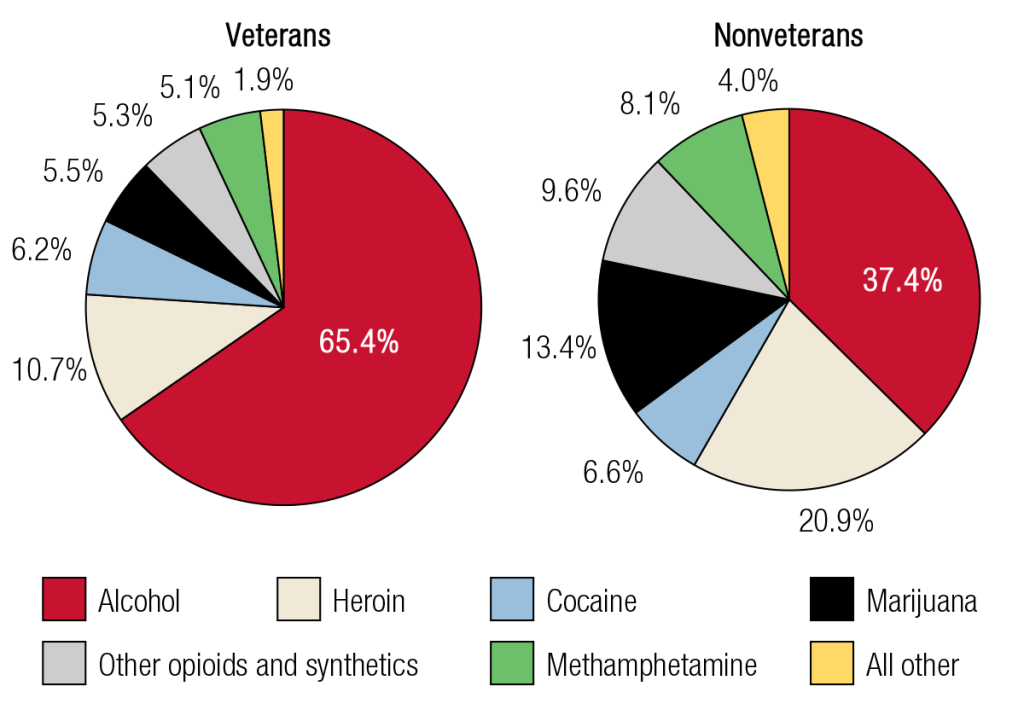
For us veterans, the story continues after discharge. RAND ( a credible Research organization) reported in 2025 that among veterans who drank alcohol, 42% reported binge drinking and almost 16% reported heavy alcohol use, based on Substance Abuse and Mental Health Services Administration (SAMHSA) data. VA Health Systems Research also reported that in 2023, 2.8 million veterans or 14% of all U.S. veterans had at least one substance use disorder in the past year, and most did not believe they needed treatment. That last part matters because military culture often rewards toughness, so admitting “I need help” can feel harder than a rough march through quicksand.
A significant reason why alcohol and military life intersect is the shared culture. Drinking often becomes intertwined with unit camaraderie, celebrations, and stress relief. In certain circles, declining alcohol consumption can be perceived as a betrayal of team spirit, even when a glass is present. Research conducted among active-duty service members revealed a strong correlation between perceptions of a drinking-friendly military culture and excessive drinking, which in turn led to negative consequences such as risky driving, low productivity, and absenteeism.
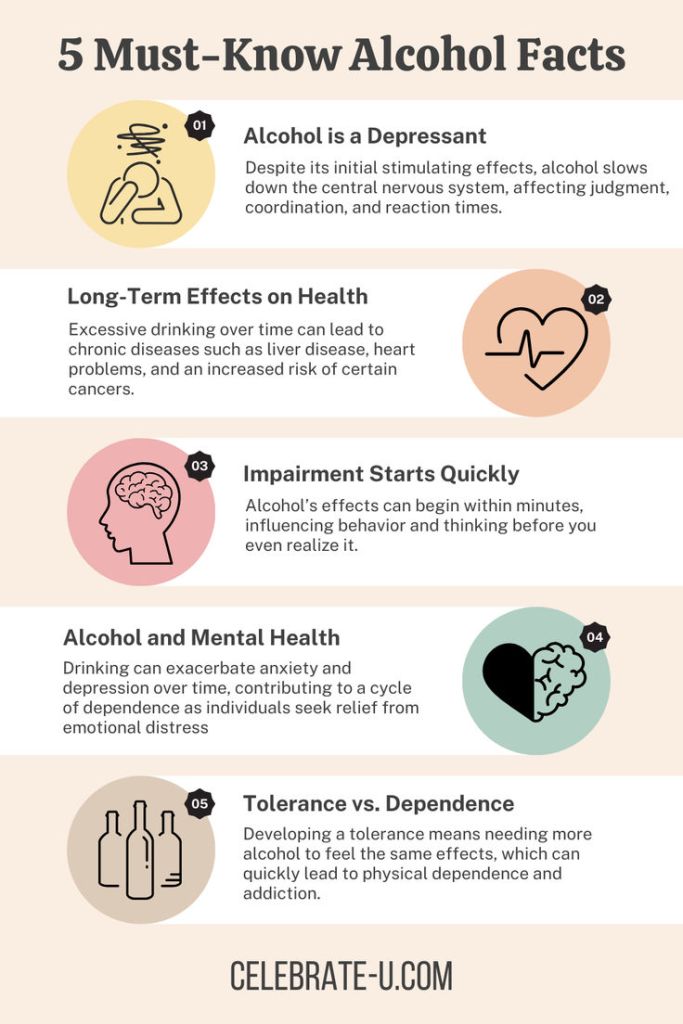
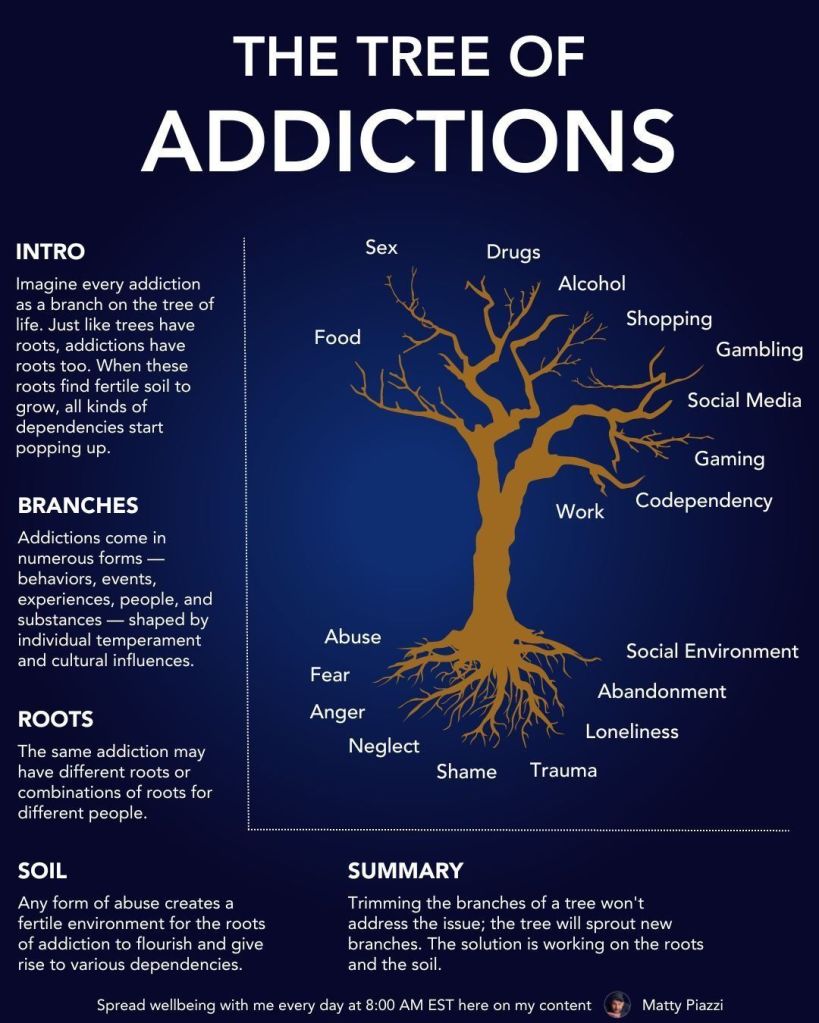
Trauma is another factor contributing to alcoholism, which can consist of combat exposure, military sexual trauma, injuries, grief, and high-alert living. The VA notes that PTSD and substance use disorders often co-occur and the National Institute on Alcohol Abuse and Alcoholism (NIAAA) identifies trauma and strep-related disorders as common conditions that can appear alongside alcohol use disorder.
The military-to-civilian transition can also pour gasoline on the program. A person may leave the service, but the body may still be standing formation at 0300. Loss of structure, identity shifts, family stress, job changes, pain and isolation can all make drinking feel like a familiar tool. But what starts as “just taking the edge off” can become the edge. The bottle moves from guest to roommate to landlord in an instant.
This correlation does not mean every service member or veteran has a drinking problem. In fact, many drink moderately or not at all. The spot on observation is this: military life can increase exposure to several risk factors connected to alcohol misuse. The issue is not the uniform but is the pressure packed inside it, plus a culture that sometimes laughs off warning signs until they start kicking doors down.
The solution is not shame; shame is just bad leadership disguised in a cheap suit. The better answer is early screening, honest conversations, healthier unit norms, trauma-informed care that addresses both alcohol use and the deeper stress beneath it. Alcoholism in the military is not a character flaw but a coping strategy that got promoted beyond its qualifications.
So the question is not “Why do so many service members drink?” But “When war is over, why do the bottles still get treated like part of the uniform?”


Leave a Reply