It is not exactly a myth that some men in Christianity reject female pastors, but the idea becomes misleading when it is stated too broadly. Christianity is not one single sect of belief but made up of many denominations, traditions, and interpretations. Some Christian groups strongly oppose women serving as pastors, while others fully support and ordain women into leadership roles. From a nonreligious standpoint, this issue is less about proving which side is spiritually correct and more about understanding how religion, gender roles, and power structures interact.
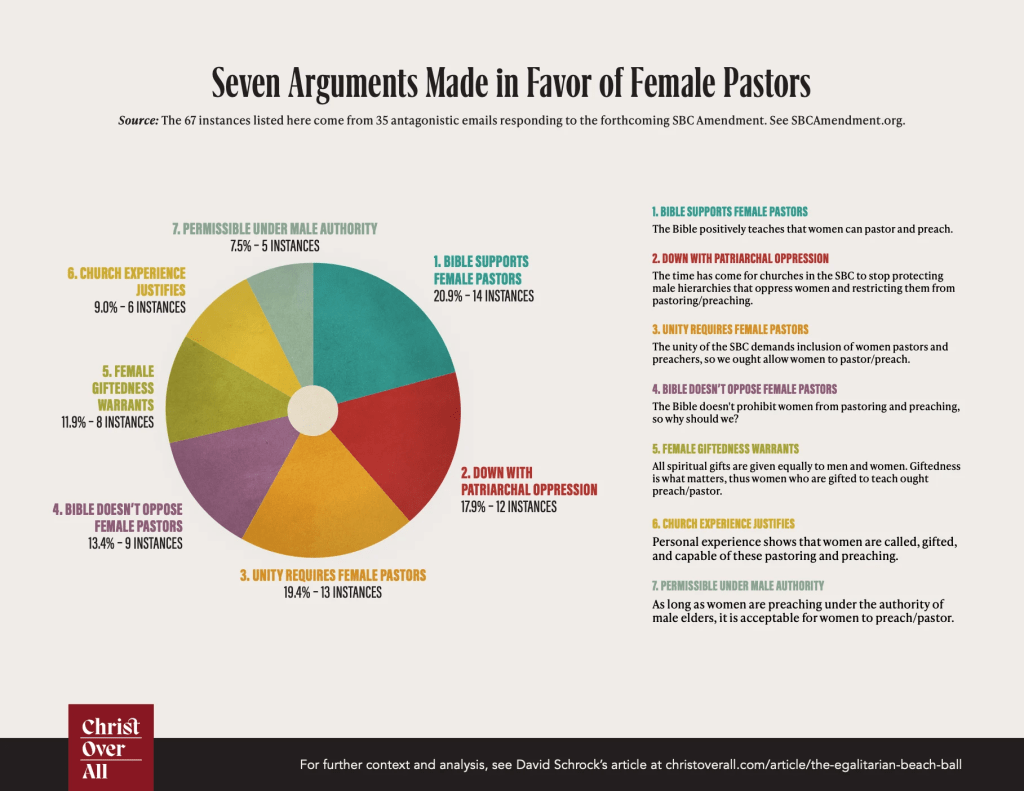
On one side, groups that reject female pastors often base their position on traditional interpretations of religious texts. They usually argue that certain leadership roles in the church were intended for men. In this view, men and women may be seen as equal in value but different in responsibility. Supporters of this ideology may believe allowing women to become pastors goes against the structure they think Christianity was built upon.
Socially, this viewpoint reflects a more traditional model of authority. In many societies, leadership has historically been tied to masculinity. The church, like governments and businesses, has often reflected the gender expectations of the larger culture around religion. Because of that, opposition to female pastors may not only come from theology but from long-standing social habits. The belief becomes both religious and cultural, stitched together like an old cloth that some people see as sacred and others see as outdated.
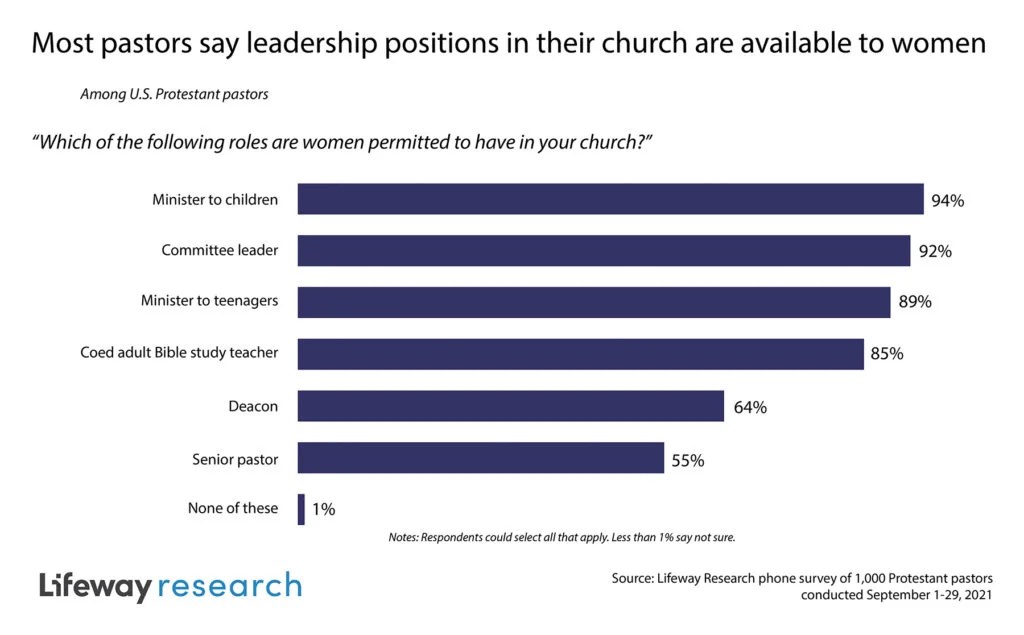
On the other side, many Christian groups accept and encourage women as pastors. These groups often interpret the same religious tradition differently and may point to women in the Bible who taught early Christian communities. They may also argue that leadership should be based on calling, character and education rather than gender. From this perspective, refusing female pastors is not protecting tradition but limiting human potential.
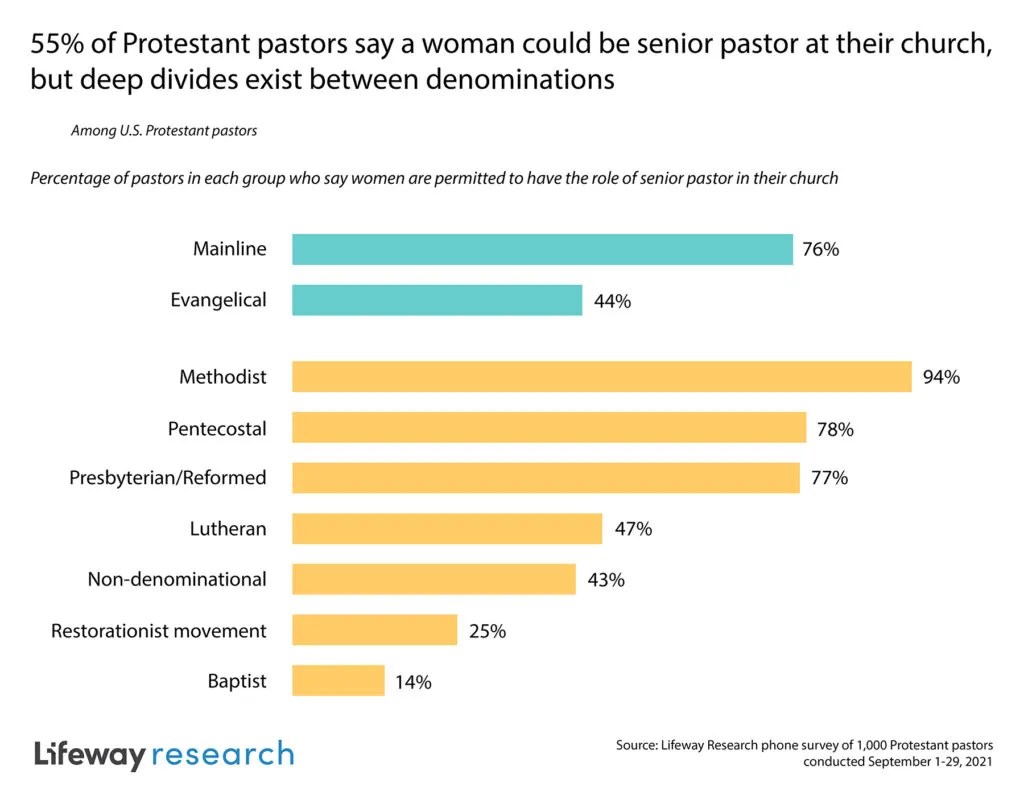
The contrast between the two sides is important for understanding purposes. Those who oppose female pastors tend to focus on order and specific interpretations of authority. Those who support female pastors tend to focus on equality and broader interpretations of service and leadership. One side sees gender roles as part of the design of religious leadership, while the other sees gender restrictions as a product of history and culture. Both would be true in the grand scheme of understanding the plight at hand.
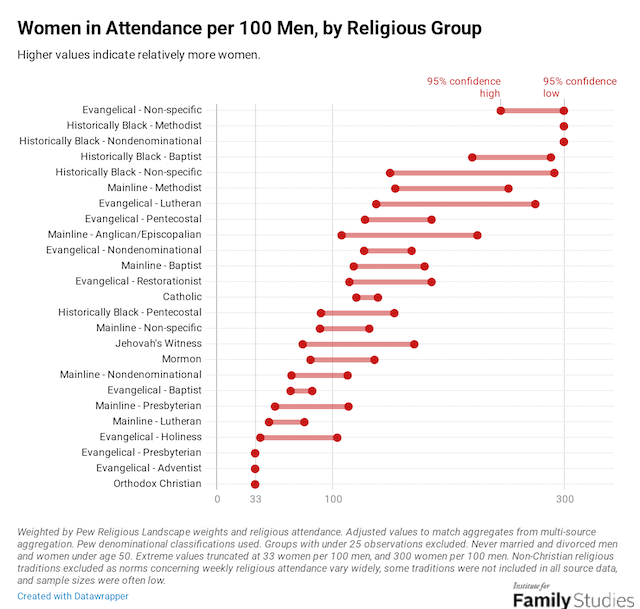
From a nonreligious standpoint, it is not a myth that some Christians reject female pastors. However, it is inaccurate to suggest that all Christian men think this way or that Christianity as a whole has a clear position. It says a lot about a person that is supposed to belong to a religion and refuses its influence because of gender. The debate reveals a larger social question: Who gets to lead, who gets to interpret tradition, and how much should old systems change when modern ideas about equality enter the room?
In the end, the argument over female pastors is not only about religion but also about authority and change. The pulpit becomes more than a place to preach; it becomes a mirror showing how different communities decide who is allowed to have a voice.
 Melanated Sanity
Leave a comment