“Trauma never goes away, we just get better at managing it’s effects”
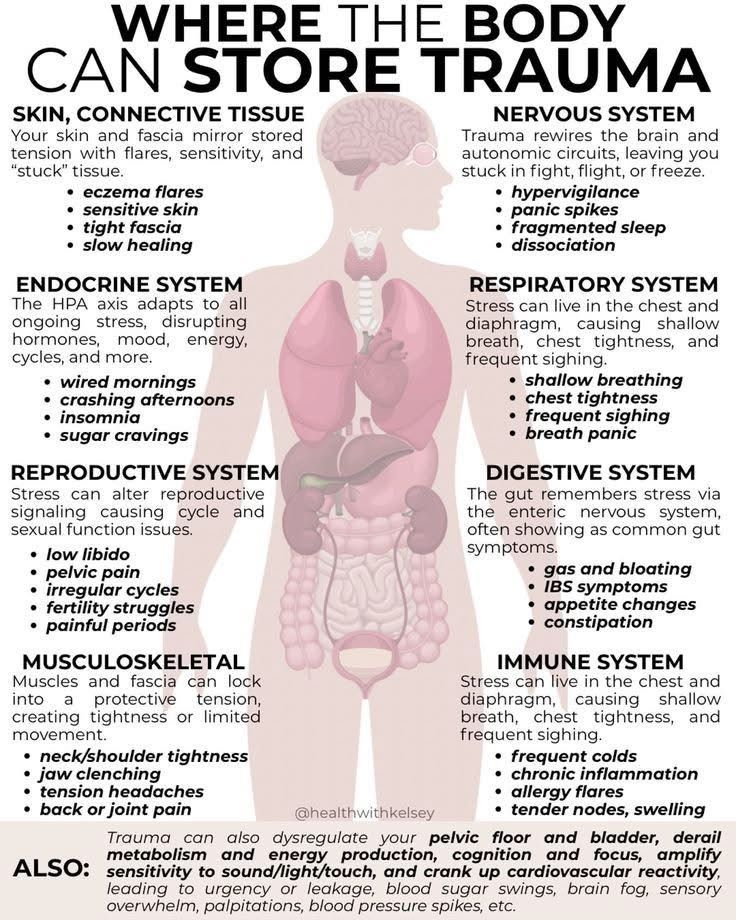
Trauma is what can happen when someone goes through something very scary, painful, or unsafe. It could even happen after events such as near death experiences or sudden death. Trauma does not mean a person is weak but that their mind, body, and spirit have undergone an event/situation that was mentally or physically altering. There are many derivatives of trauma that exist in the world of mentality, but trauma is typically categorized into three patterns: Acute Trauma, Chronic Trauma, and Complex Trauma.
Acute Trauma is an intense, short-term response to a single, sudden, dangerous event that overwhelms your nervous system. It has a clear beginning and end, but immediately leaves you in a state of shock, fear, or profound helplessness. Chronic Trauma happens repeatedly and is often correlated to living around violence. The best example of chronic trauma is usually domestic violent homes of children. Complex Trauma usually happens when painful things happen on the account of those who were safe spaces. This kind of trauma typically affects how people trust, love, and self-reflect.
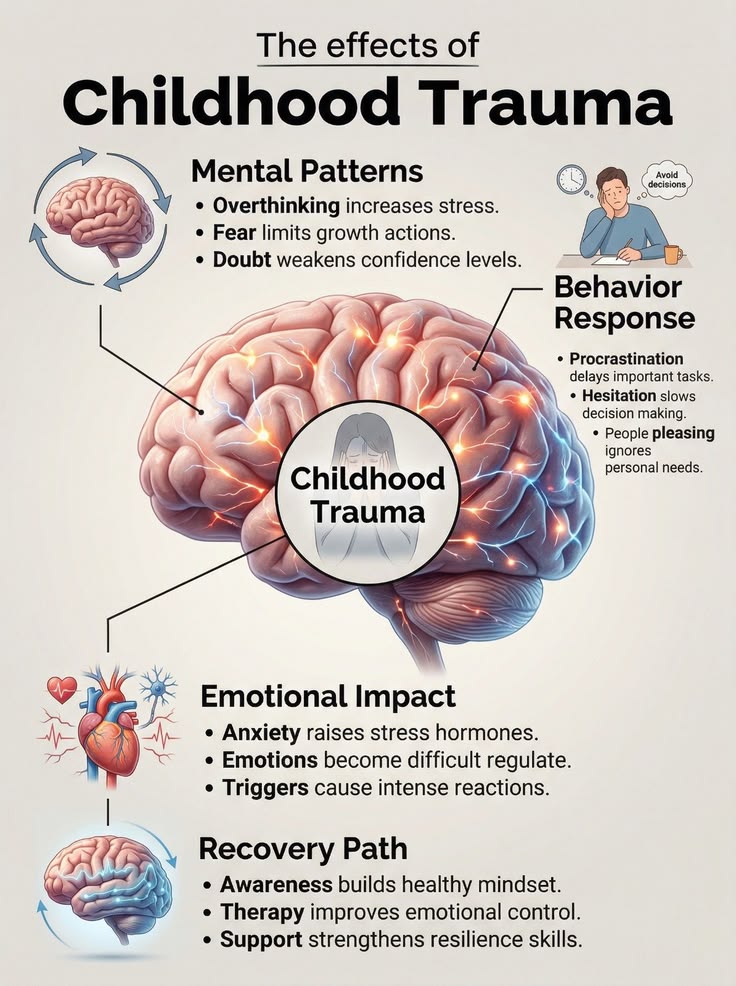
Trauma occurs from a great multitude of places. Developmental trauma can happen when a child is cultivated in an environment that consists of abuse, negligence, or instability. Combat trauma occurs just as the name suggests: war experience. Sexual trauma, medical trauma, intergenerational trauma, and a plethora of others sculpt our understanding of trauma and its effects.
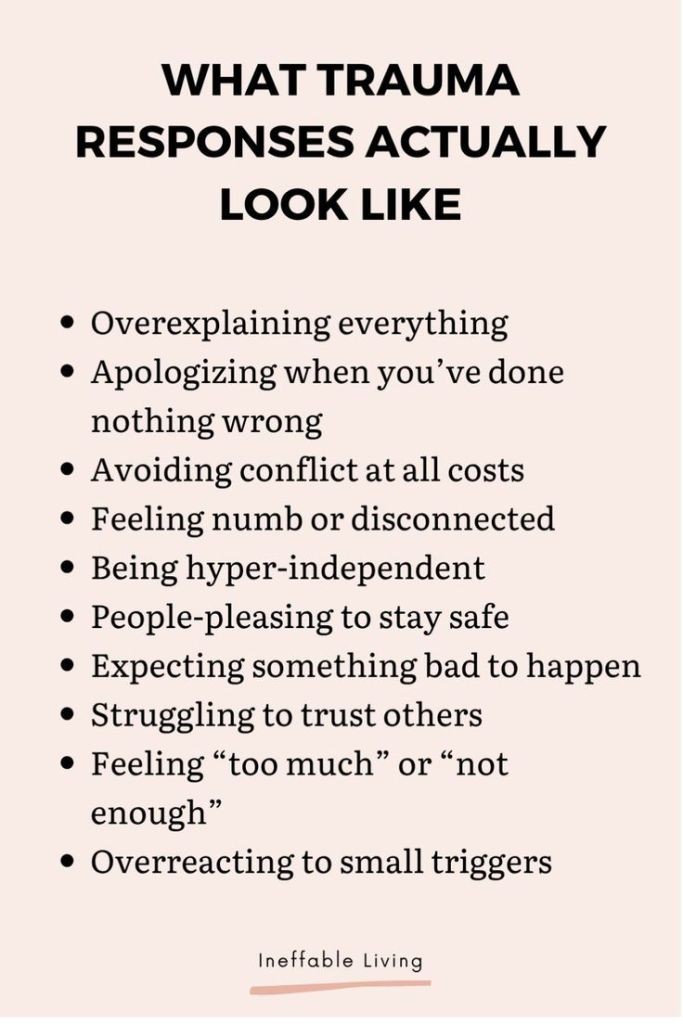
Trauma is directly tied to the emotional side of the brain therefore, misinterpretations are rampant. It affects the whole body and may cause headaches, stomach pain, or insomnia, just to name a few effects.
Trauma is an ailment we learn to work with and not against because fighting it often makes the pain louder. Trauma is not something a person can simply erase. It becomes part of how the mind and body remember danger, even after the danger has passed. Healing begins when a person stops treating their trauma like an enemy and starts understanding it as a wounded part of themselves that needs care. Working with trauma means learning your triggers, calming your body, seeking support, setting boundaries, and reminding yourself that survival mode does not have to be your permanent home. Trauma may shape a person’s reactions, but with time and healing, it does not have to control the direction of their life.
Trauma may explain a person’s pain, but it does not have to define their future. People can grow, recover, and learn how to feel safe again with the right amount of dedication and effort. Maybe the real question isn’t “What’s wrong with you?” But “What happened to you, and who taught your pain to speak loud?”

 Melanated Sanity
Leave a comment