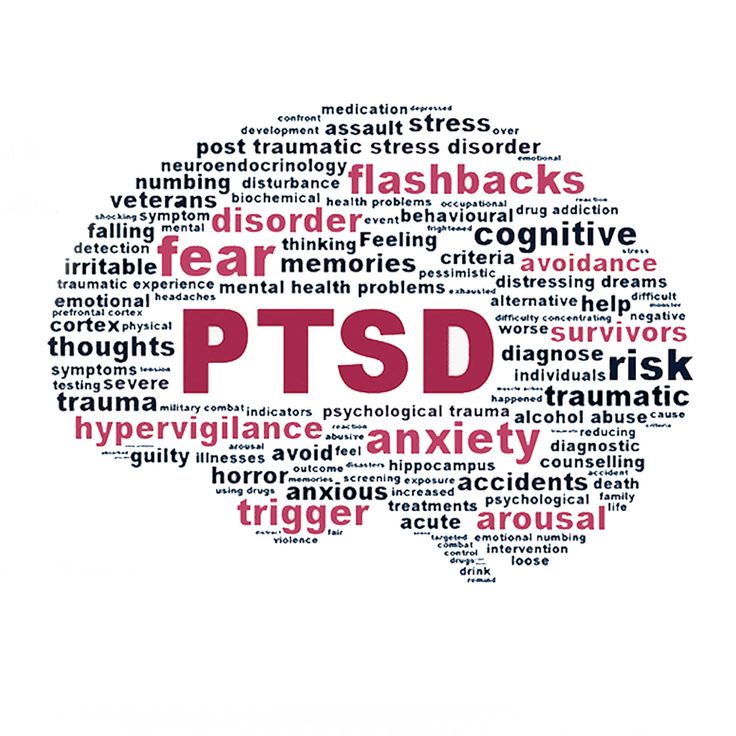
PTSD is a trauma response phenomenon… in layman’s terms it’s like your brain having an alarm system that rings when there’s real danger. But instead of the alarm shutting off after there’s no presence of danger, it continues.
For us as a people, the connection to PTSD is not due to inferiority but because our community face repeated stress due to systems created to over complicate our lives. To put it simply: when people carry too many heavy weights for too long, their minds and bodies will become fatigued. That fatigue stagnate the mind while depleting overall health.
A national study from Cambridge University found that lifetime PTSD was highest among Black adults at 8.7%, compared with 7.4% for White adults, 7% for Hispanic adults, and 4% for Asian adults. The same study found that Black and Hispanic people had a higher risk for certain kinds of trauma, such as child mistreatment and witnessing domestic violence.
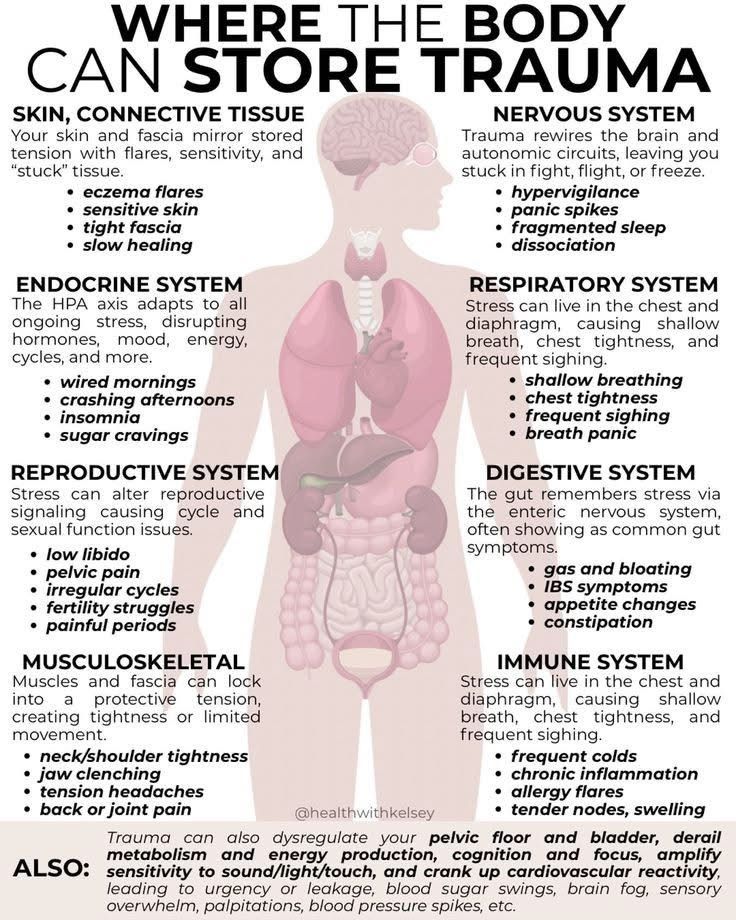
So think of PTSD like a mental bruise you can’t physically see but can feel the pain. Some people may have nightmares, while others may avoid places that remind them of what happened. Emotionally, PTSD can cause people to feel jumpy, angry, numb, or always on guard due to being stuck in fight-or-flight mode. Here’s a real-life case study based on Tonya Oxendine, a Black Army veteran who publicly shared her PTSD recovery through the Wounded Warrior Project.
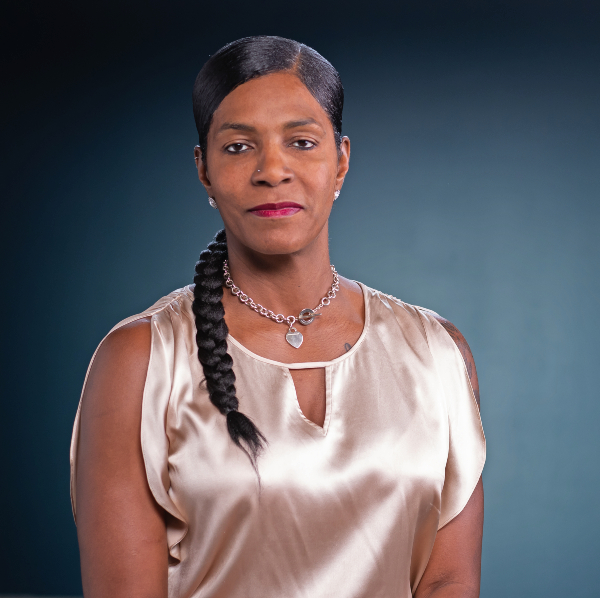
Tonya Oxendine’s story shows how PTSD can hide behind success, strength, and responsibility. As a Black female soldier, she spent years trying to be perfect because she felt there was no room for mistakes. She rose through the military ranks and became a senior leader, but behind that discipline, she was carrying childhood trauma, military trauma, and the pressure of being one of the only people in the room that looked like her. After a deployment to Afghanistan, her mental health began to change. She felt withdrawn, and sometimes even leaving the house became difficult. To the outside world, she may have looked strong and accomplished, but inside her alarm system was ringing.
Her healing began when she finally received support through therapy, the VA, the Wounded Warrior Project and trauma-focused programs that helped her face what she had been avoiding. Her story matters because it shows PTSD is not always loud or dramatic. Sometimes it wears a uniform, earns promotions, raises children, and still suffers in silence. Tonya’s case proves that PTSD is not a weakness but what happens when the mind and body carry too much pain for too long.
Black women 18-34 14.0% ██████████████
Black men 18-34 6.3% ██████
Black women 35-49 12.8% █████████████
Black men 35-49 4.6% █████
Black women 50+ 8.7% █████████
Black men 50+ 5.1% █████
A Sage Journal’s study found in the Black community, PTSD was significantly high for Black women ages 18 to 34 and 35 to 49. Looking at the laundry list of stressors at these age ranges, I can understand but that’s a conversation for another blog.
When it comes to matters of mental health… PTSD in particular, half the minorities with PTSD are less likely to seek treatment. The mistrust in treatment stems from the same mistrust in systems devised to keep stagnation and disguise lackluster intentionality.
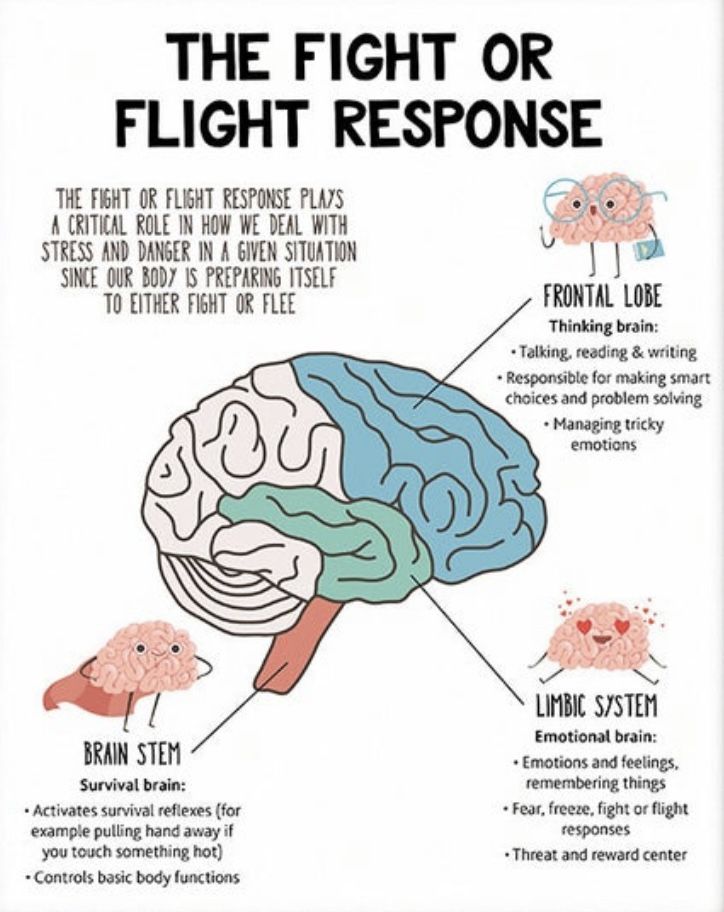
Here it is cut and dry: Black people and PTSD are connected because repeated trauma plus unfair systems can make the brain’s alarm stay on for too long. The remedy is simple: we should dwell in spaces that foster systems that allow growth and we should normalize mental health conversations. I leave you with this: If PTSD is not just what happened to a person but also what kept happening around them… how many Black people are being called “strong” when they are really just surviving with an alarm inside them that no one helped turn off?


Leave a Reply