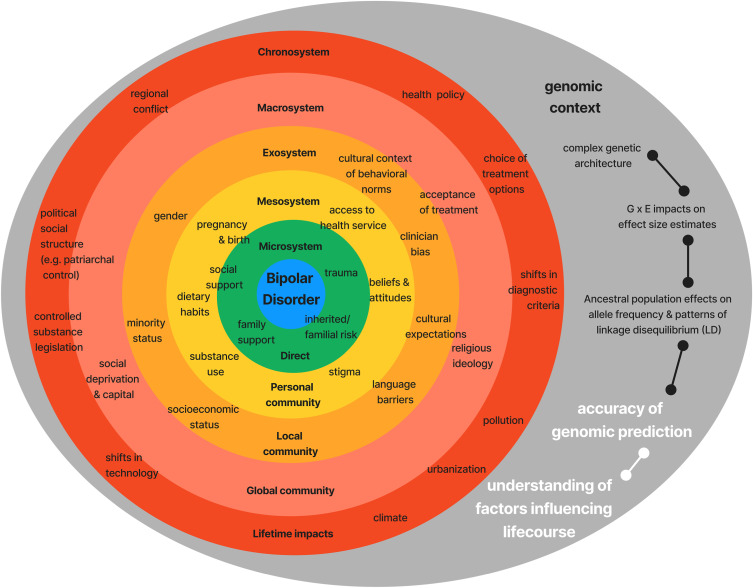
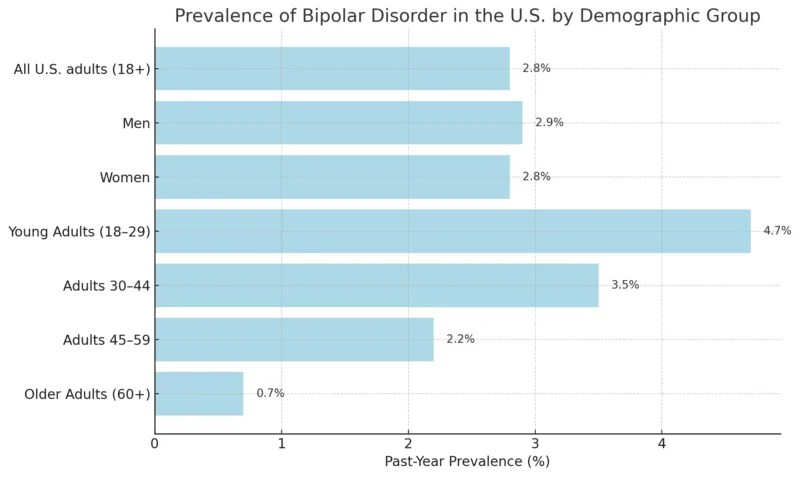
Bipolar disorder is not just “mood swings” but a serious mental health condition marked by major shifts in mood, energy, sleep, and decision-making that can interrupt daily life. Nationally, about 2.8% of U.S. adults experience bipolar disorder in a given year, and about 4.4% experience it at some point in life.
An accurate correlation between bipolar disorder and Black Americans is not that Black people are naturally more “bipolar”; that idea would be lazy science dressed in a lab coat. Stronger connections are found in diagnosis, access to care, cultural stigma and medical bias. In other words, Blackness does not cause bipolar disorder, but being Black in America can affect how quickly bipolar symptoms are recognized, how seriously they are treated and whether a person gets proper care.
However, one of the major issues dealing with bipolar disorder care is misdiagnosis. Research has shown that Black patients are more likely to be diagnosed with schizophrenia when mood disorders may be part of the picture. A Rutgers report noted that clinicians may overfocus on psychotic symptoms and overlook depression or mood symptoms in African American patients. That matters because bipolar disorder can include psychosis during severe manic or depressive episodes. If the mood disorder underneath is missed, the treatment plan may miss the target.
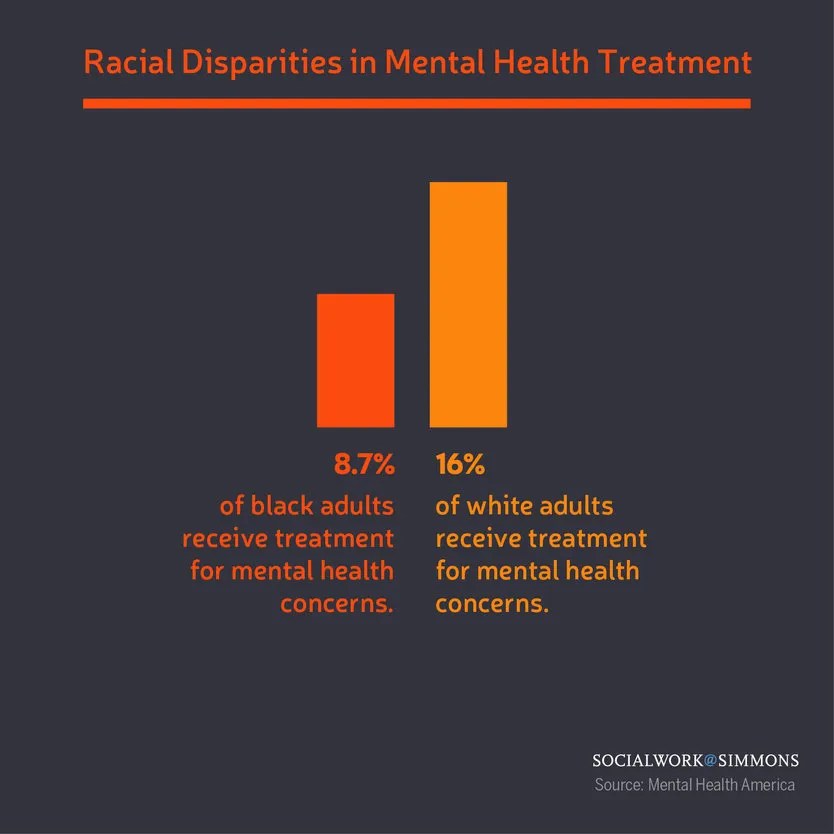
Now, access to treatment is another part of the story. According to NIMH (National Institute of Mental Health) data in 2022, Black adults with any mental illness received treatment at a lower rate than white adults (37.9% compared with 56.1%). Among adults with serious mental illness, treatment rates were also lower for Black adults than White adults. So even when symptoms exist, care may arrive late, unevenly, or not at all.
The influence of one’s culture is also a factor. In many Black families, mental illness is treated like something to hide, pray away, or explained as “acting different”. Faith and family can be a powerful support system, but silence can become a locked door. A person experiencing mania may be called reckless before anyone asks whether their brain is in crisis.
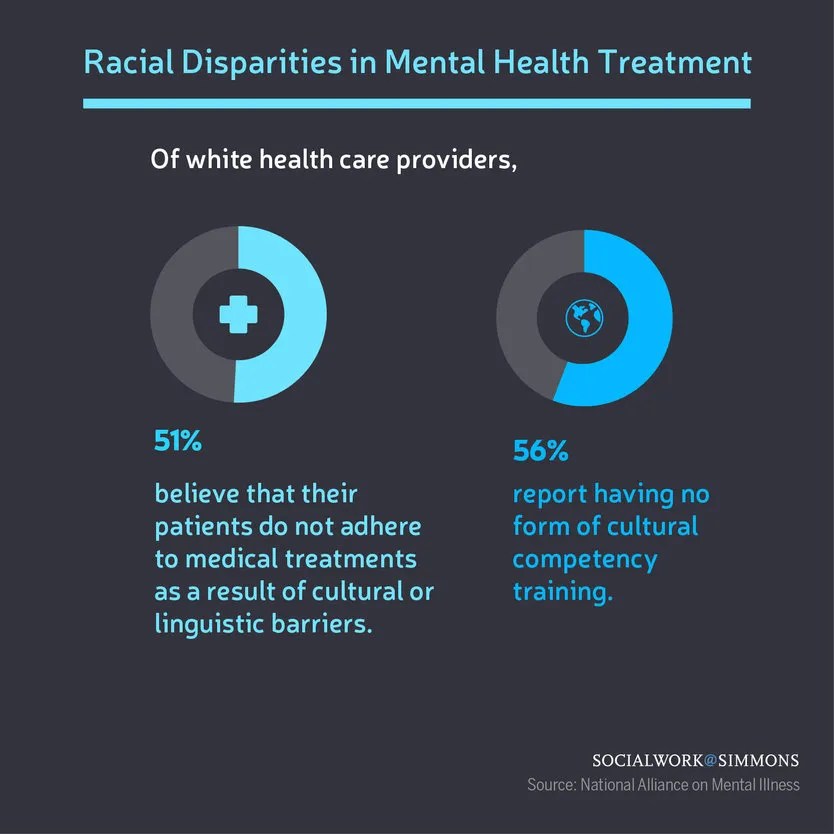
The real issue is not whether bipolar disorder “belongs” to Black Americans but belonging to humanity in general. Black Americans often face a rougher road from first symptom to last day of treatment, if they even make it that far. The truthful conclusion is this: bipolar disorder does not discriminate, but the healthcare system often does. The question is not just who has bipolar disorder but who gets believed soon enough to heal?


Leave a Reply