Music, the universal language of the soul, has always occupied a powerful space in Black life. It has carried our ancestors’ prayers through slavery, gave the Civil Rights marches a battery pack, and overall gave people a way to celebrate despite difficult circumstances. Yet that same cultural power has repeatedly been manipulated by people and institutions outside the communities that created it. The problem rarely was Black music and more about who controlled the business and distribution.
Captive Chorus
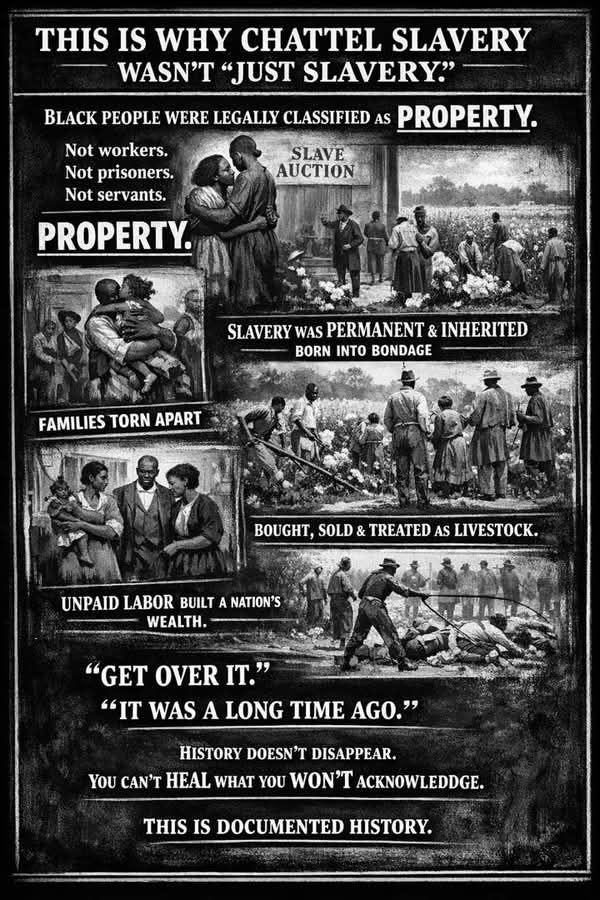
During chattel slavery, work songs or Negro Spirituals helped people endure unbearable conditions and rhythmic traditions of preservative communication and emotional survival. Enslavers however, sometimes forced our ancestors to perform as entertainment. African culture was restricted in certain places because enslavers feared when it could be used to organize resistance. Cultural expression was tolerated when it entertained white audiences but feared when it strengthened Black unity. This created an early pattern that Black creativity was welcomed as a product while Black independence was treated as a threat.
Stereotypes Sold the Show
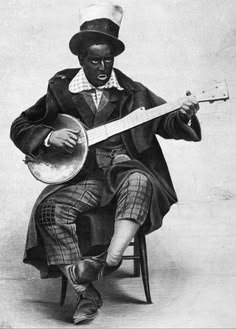
Beginning in the 1830s, blackface minstrels turned distorted versions of Black culture into one of America’s most popular forms of entertainment. White performers would darken their skin (blackface) and portray Black people in a derogatory light. These shows did more than tell offensive jokes; they taught generations of audiences how to imagine Black people before many had meaningful relationships with Black people. The characters created in these shows eventually spread their influence nationally through multiple entertainment mediums.
Black entertainers entering the industry later faced an ugly choice. Some were required to wear blackface and perform the same stereotypes created to ridicule them. They could display their talent but only after fitting themselves inside a caricature, how degrading.
Rigged Royalties
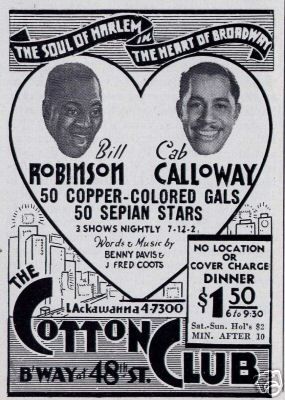
During the 1920s through the 1940s, record companies discovered a growing market for blues, jazz, and gospel. Much of this was sold under the label “race records”, separating Black performers and consumers from the mainstream market. Recording provided opportunities, but the business relationships were rarely equal. Many Black musicians lacked access to adequate business resources due to prejudice. Some surrendered ownership in a recuperation attempt, while record companies continued earning money from their recordings.
Segregation also shaped where Black musicians could perform, stay during performances, and appear on radio. Their sound could travel into homes that their bodies were not allowed to enter.
Borrowed Soul
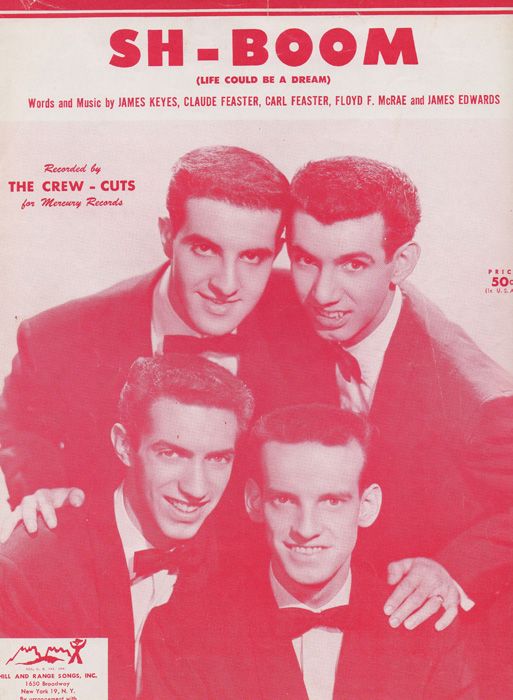
From the 1940s through the 1960s, rhythm and blues (R&B) helped form the foundation of rock and roll. However, mainstream radio stations and record companies frequently preferred white performers who could reproduce Black musical styles without challenging racial boundaries.
Cover songs were not automatically theft; musical traditions were influence by one another based on the level of access performers are privy to. White performers often received stronger promotional backing and access to profitable networking opportunities. Meanwhile, Black artists who developed the sound could remain underpaid or unknown to mainstream audiences. America embraced the rhythm while keeping many of its creators outside the main entrance.
Lyrics Raised Flags
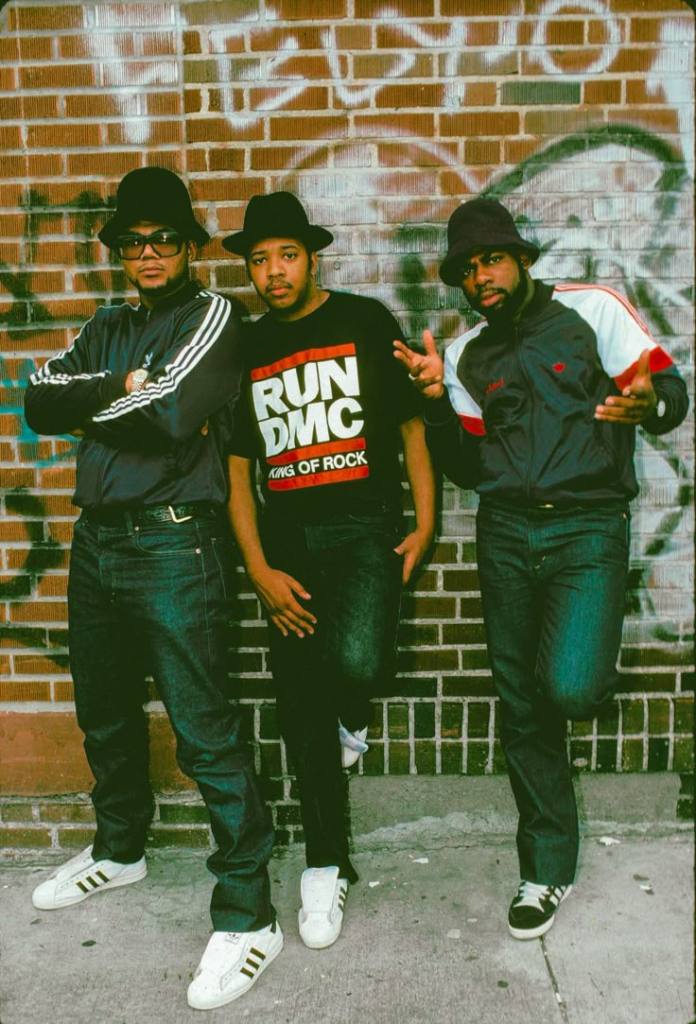
Soul, funk, reggae, and early Hip Hop all became powerful vessels for Black pride and political criticism during the late 1960s through the 1980s. Artists addressed racism and other community responsibilities around this time as well. That visibility also attracted surveillance, censorship, and commercial pressure. Music that encouraged political awareness could be treated as dangerous, while less confrontational entertainment appeared easier to market. Record companies did not need to silence every conscious artist directly. Controlling marketing and recording budgets could determine which message reached the largest audiences. Black expression was acceptable, but expressions that questioned power often faced a harder road.
Suffering Went Platinum
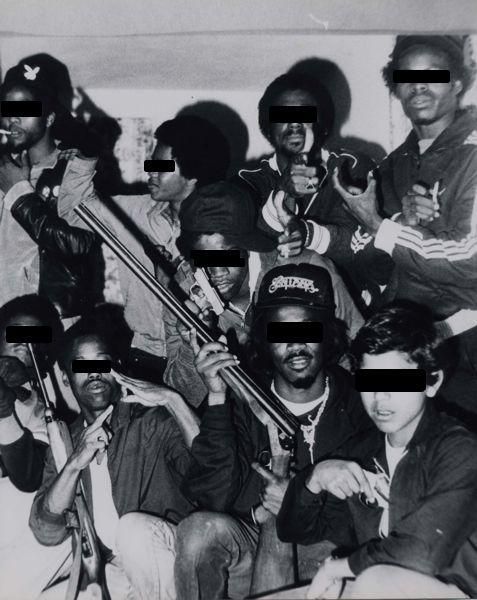
Gangsta rap emerged during the late 1980s as a description of conditions many Americans preferred to ignore. Artists reported on the various situations that plagued their neighborhoods from the crack epidemic to gang conflicts as a means of expression. At its best, the music operated like an uncensored musical neighborhood newsletter.
Once record executives recognized its profitability, the reporting could become a formula. Certain images, such as hypermasculinity and violence, became highly marketable for their commonality. However, conscious or comedic artists with experimental perspectives also exist, but they did not always receive comparable investment. The industry did not invent the conditions described in gangsta rap. It learned how to package those conditions and sell them internationally. A partial account of Black life gradually became one of its most visible representations.
Dysfunction Found A Fanbase
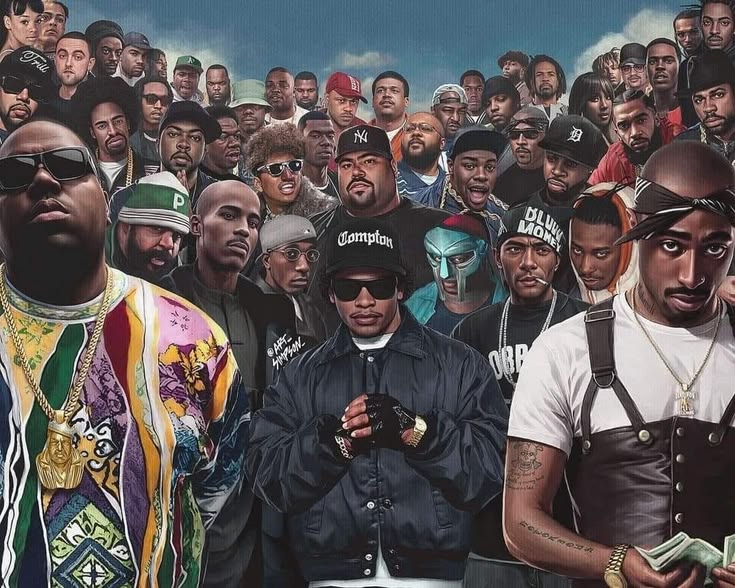
From the 1990s into the 2010s, sections of popular music increasingly emphasized destructive behaviors and cultural symptoms that disrupt personal well-being and social harmony. Repeated exposure could reinforce existing attitudes, particularly when listeners received few competing messages from families, schools, or media.
Still, blaming music alone for these occurrences would be intellectually dishonest. For a song cannot explain unequal access of education, employment or other facets of American life. Research may show associations between certain media and harmful attitudes, but association is not proof that music directly causes someone to commit violence. Music is better understood as an amplifier; it can strengthen messages already circulating through a person’s environment, whether those messages concern ambition and solidarity or humiliation and revenge.

Metric Managed the Music
Today, streaming services and social media platforms influence which songs receive attention. Their systems frequently rewards controversy and intense emotional reactions. This gives artists an incentive to exaggerate conflict and violent reputations because extreme content can attract views quickly.
Drill music illustrates the dangers some performers depict from their neighborhood via their art. Police and prosecutors have nevertheless used rap lyrics and videos as alleged evidence. Violent expressions that might be recognized as performance in film or rock music may be interpreted as a confession when delivered by a Black artist. Streaming has also expanded access without guaranteeing ownership. An artist can accumulate millions of plays and still receive only a fraction of the revenue generated around the music. So it would seem the same practices that were implemented in the 1920s are still alive and well today.
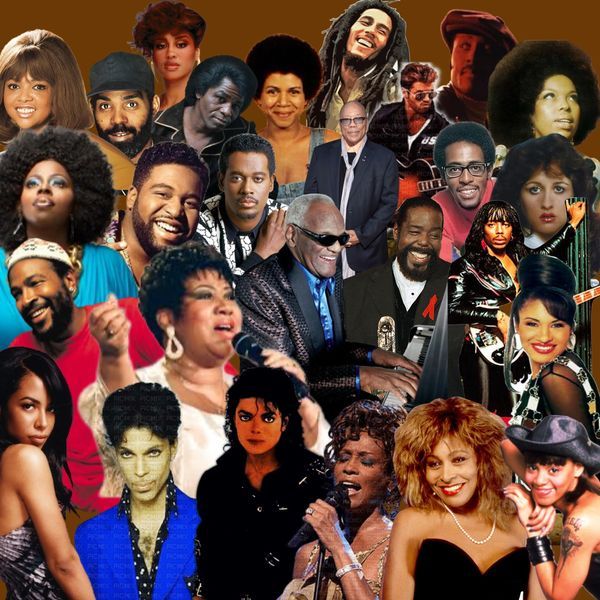
Who Conducts the Culture?
Black music has never been a single destructive force. It is responsible for the promotion of faith, resistance, love, and political change just to name a few. But just as it’s a vehicle for positive energy, Black music can be just as damaging energy too. The deeper historical problem is that Black communities have often created the sound while other institutions controlled its distribution, ownership, and public meaning. Those institutions repeatedly discovered that select images of low-vibrating activity are profitable. Music may reflect the community, but the industry decides which reflection gets a spotlight.
So I’ll leave you to consider this: “If Black healing ever outsells Black destruction, will the industry change the playlist or change the price of dysfunction?”


Leave a Reply