“Is Technology Crippling or Enabling?”
A Black Perspective
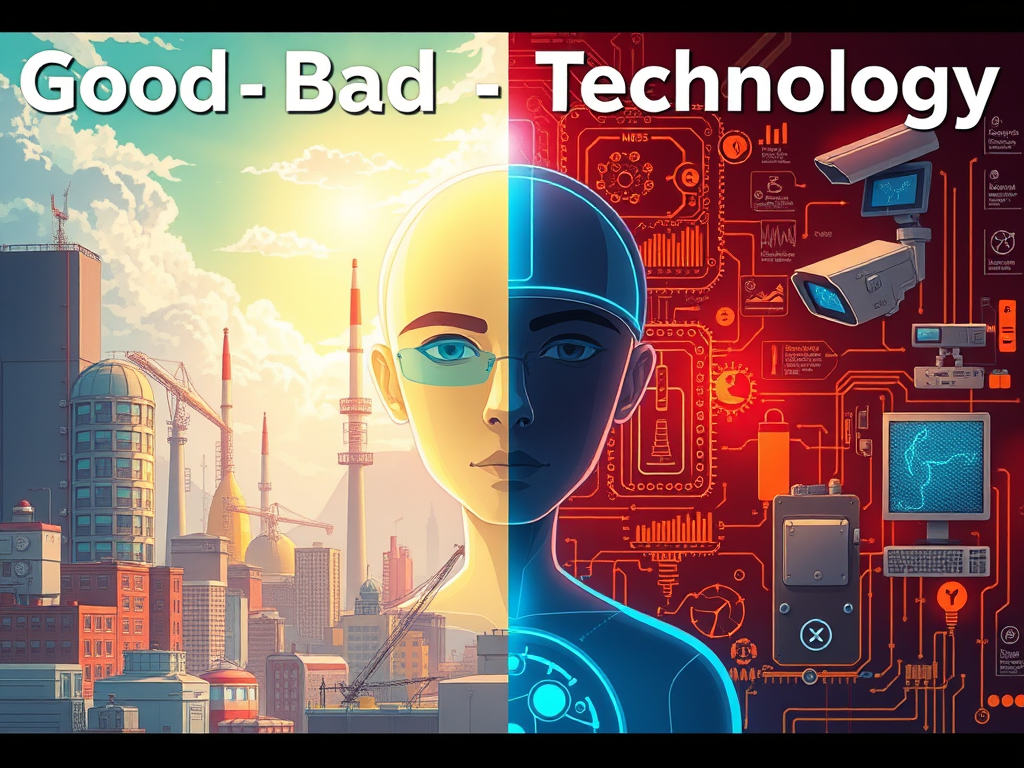
Technology has been a double-edged sword, both freeing people and highlighting the unfairness of society. Even though we still see differences in who gets to use technology and who gets to be heard, it’s been a huge help for Black Americans. It’s opened doors to better education, given a platform to those who’ve been silenced, made it easier to make money, and helped communities come together. It’s been a real game-changer, giving people chances they never had before.
One of the most significant ways technology has enabled Black Americans is by expanding access to information and education. During slavery and segregation, Black Americans were deliberately denied access to education. Laws in many Southern states made it illegal to teach enslaved people to read and write, limiting their intellectual empowerment (Anderson, 1988). Today, technology has removed many of these barriers. The internet provides access to free educational resources, online degree programs, and professional training. According to the Pew Research Center (2021), Black Americans use smartphones at high rates, often relying on mobile technology as their primary access point to education and information. This accessibility allows individuals to gain knowledge, develop skills, and pursue career opportunities that were once restricted.
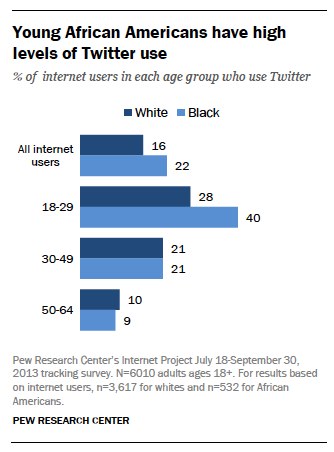
Technology has also empowered Black Americans to amplify their voices and challenge systemic injustice. Social media platforms have emerged as powerful tools for raising awareness about racial inequality and mobilizing collective action. The Black Lives Matter movement, for instance, utilized social media to document incidents of police brutality and organize protests nationwide. Freelon et al. (2018) discovered that social media played a pivotal role in shaping public awareness and political engagement surrounding racial justice movements. By circumventing traditional media gatekeepers, technology has enabled Black Americans to narrate their own stories, ensuring that their experiences are not overlooked or erased.
Technology has significantly contributed to the empowerment of Black Americans across various domains. In the realm of economic empowerment, digital platforms have created opportunities for entrepreneurship. These platforms facilitate the establishment of businesses without relying on traditional institutions that have historically excluded them. According to the U.S. Small Business Administration (2023), Black-owned businesses have experienced substantial growth in recent years. Numerous entrepreneurs leverage social media, e-commerce platforms, and digital marketing to directly connect with customers. This technological advancement mitigates barriers to entry, empowering Black entrepreneurs to generate income, accumulate wealth, and create opportunities within their communities. This is particularly crucial given the historical wealth disparity resulting from discrimination in housing, employment, and lending practices.
Furthermore, technology has strengthened the bonds of community and culture among Black Americans. Digital platforms enable the sharing of cultural expression, the preservation of history, and the formation of supportive networks. Online communities offer spaces for mentorship, education, and the development of collective identity. As Noble (2018) suggests, digital platforms can serve as spaces for cultural visibility and resistance, empowering marginalized groups to challenge dominant narratives. This technological empowerment allows Black Americans to celebrate their culture, educate others, and foster solidarity across geographical boundaries.
In the healthcare sector, technological advancements have positively impacted health outcomes for Black Americans, despite ongoing disparities. Telemedicine, wearable devices, and online health resources have empowered individuals to monitor their health and access medical care more conveniently. This is particularly advantageous for communities that have historically experienced limited access to healthcare. According to the Centers for Disease Control and Prevention (2022), technological advancements in screening, diagnosis, and treatment have significantly enhanced disease prevention and management. These technological advancements have empowered individuals to take greater control of their health and well-being.

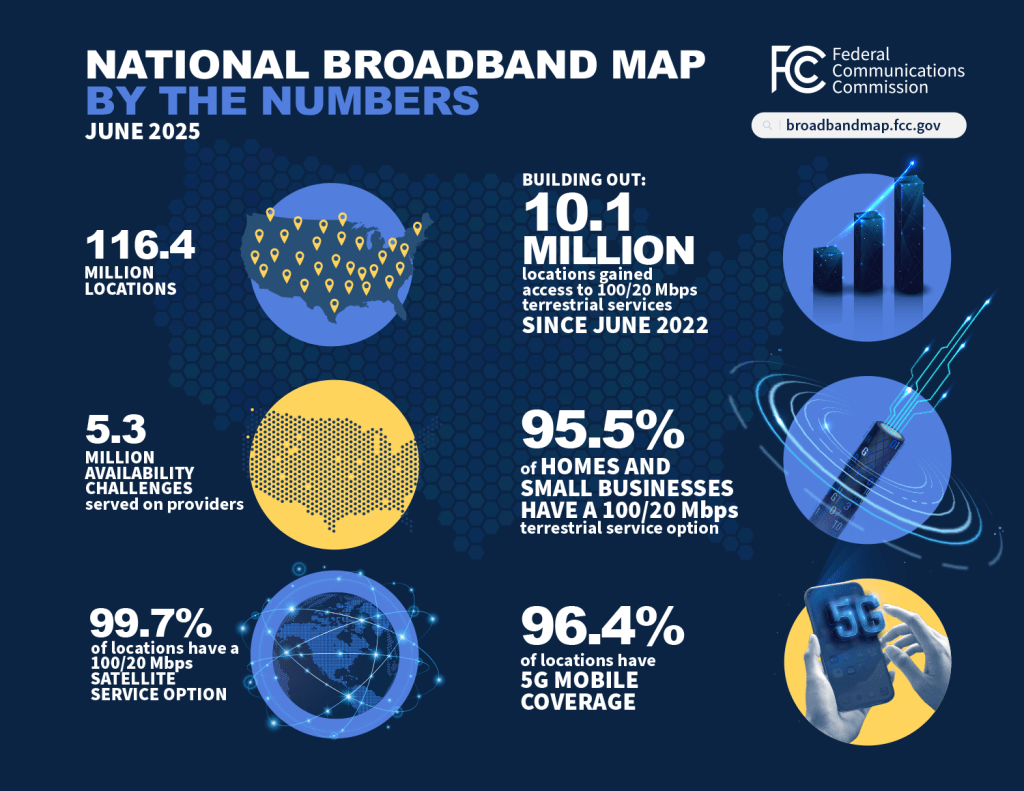
However, technology has not been equally beneficial to all. The digital divide has disproportionately affected Black communities due to historical economic disparities. According to the Federal Communications Commission (2021), Black households are more likely to encounter obstacles to reliable broadband access compared to white households. Furthermore, algorithmic bias in artificial intelligence and facial recognition technology has raised concerns about racial discrimination. Buolamwini and Gebru (2018) discovered that facial recognition systems were less accurate at identifying individuals with darker skin tones, highlighting how technology can perpetuate existing societal biases.

Even with these hurdles, Black Americans have always found ways to use technology to lift themselves up and move forward. For years, Black communities have been quick to embrace new tech to get past challenges and open doors. Think about how newspapers like The Chicago Tribune helped people get together during the Great Migration, or how social media is being used today to organize social movements. Technology has been a tool for progress and standing up against injustice (Gates, 2021). These stories show that technology has given Black Americans the power to fight for what’s right and build brighter futures.
From a Black American perspective, technology has significantly enhanced human potential. It has expanded educational opportunities, amplified marginalized voices, created economic prospects, strengthened community bonds, and improved health outcomes. Despite the persistence of technological inequality and bias, Black Americans have effectively utilized technology for empowerment, advocacy, and progress. It has dismantled barriers, amplified truth, and created avenues for advancement, ultimately serving as a motivator for liberation and opportunity.
Instagram: @Grindin_Gears44 / Substack: @brothamalik26
 Melanated Sanity